Navratri 2026: meaning, dates, rituals and how it differs from Durga Puja
 Pujo Parikrama team5 min read · Updated
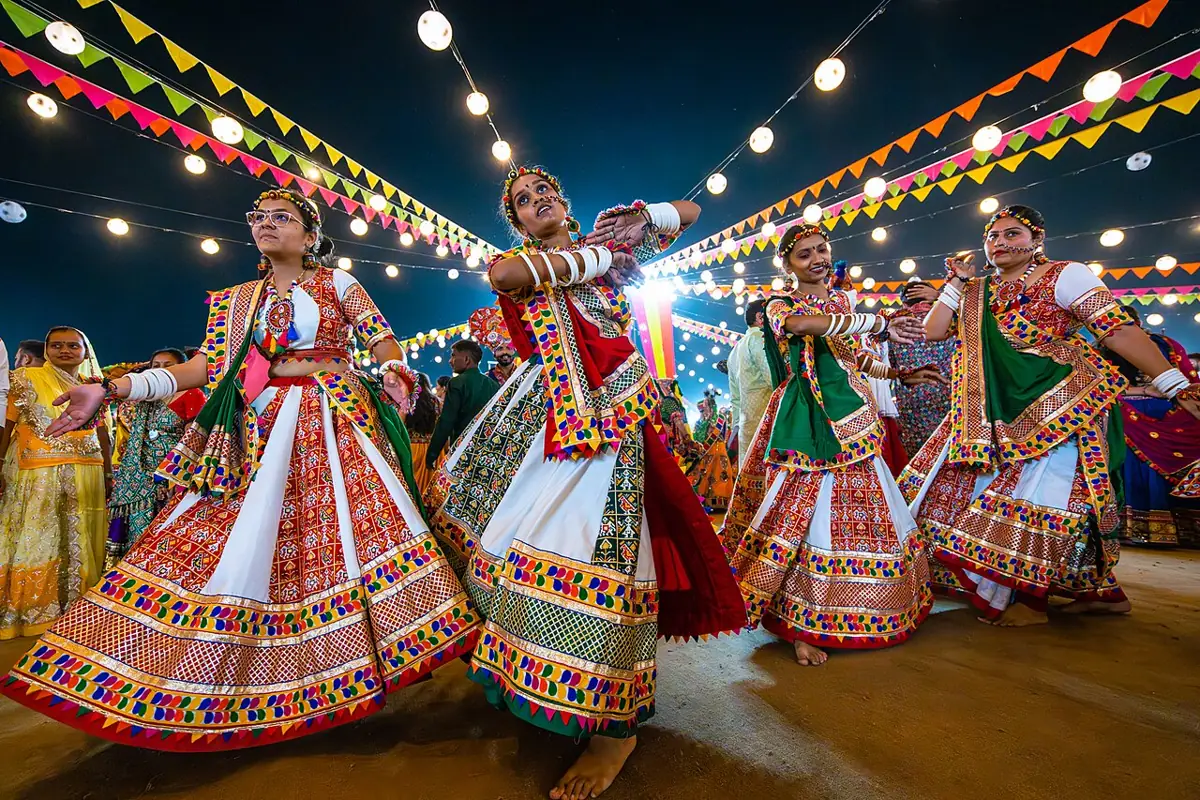
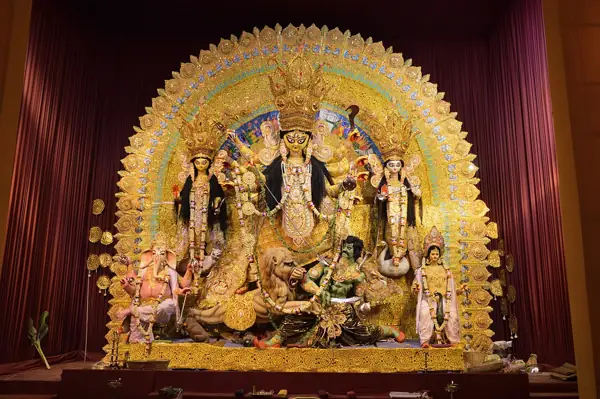
Navratri ("nine nights") is a Hindu festival honouring the Goddess in her nine forms, the Navadurga, with ghatasthapana, fasting, daily worship and, in western India, garba and dandiya. Sharad Navratri 2026 begins after Mahalaya (Saturday 10 October 2026); per the Bengal calendar Maha Ashtami is Monday 19 October, Maha Navami Tuesday 20 October and Vijayadashami Wednesday 21 October. Bengal's Durga Puja falls in the same season but centres on the last five days, with an idol of Durga and her children in pandals; confirm the first day and ghatasthapana muhurta in your local panchang.
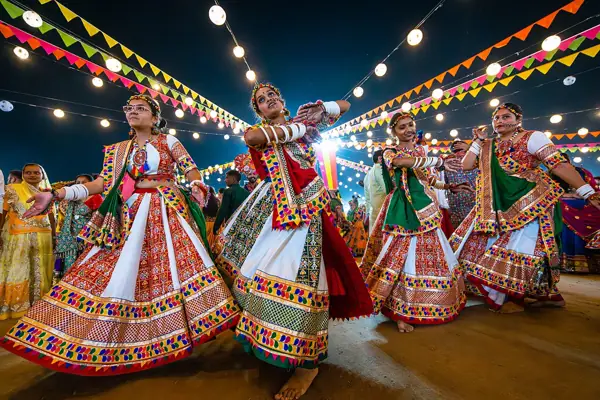 ▶ Photo story · 9 pagesNavratri: the nine nights of the Goddess
In this article 8 sections
Navratri (also written Navaratri) means "nine nights". It is a Hindu festival in which the Goddess is worshipped for nine nights, most widely as the Navadurga, nine forms of Durga, followed by a tenth day of victory, Vijayadashami or Dussehra. In 2026, Sharad Navratri begins after Mahalaya (Saturday 10 October 2026). Per the Bengal calendar, Maha Ashtami is Monday 19 October, Maha Navami is Tuesday 20 October and Vijayadashami is Wednesday 21 October 2026.
Bengal's Durga Puja falls in exactly the same season and honours the same Goddess, but it looks very different on the ground. This page explains what Navratri is, how it is observed across India, and how it relates to the Durga Puja you will see in Kolkata.
What Navratri celebrates
The festival honours Shakti, the divine feminine power. Its best-known story comes from the Devi Mahatmya, in which the Goddess, formed from the combined energies of the gods, battles the buffalo demon Mahishasura and defeats him. Many people also connect the festival with Rama's worship of the Goddess before his battle with Ravana, which is why the tenth day celebrates Rama's victory in much of north India.
Across traditions, the nine nights are read as a journey: from the Goddess's fierce, protective forms towards her forms of wisdom and fulfilment, and from inner darkness towards light.
How many Navratris are there?
There are four Navratris in the Hindu year, each in the bright fortnight of a lunar month:
| Navratri | Season | Lunar month | Ends with |
|---|---|---|---|
| Chaitra (Vasanta) Navratri | Spring, March–April | Chaitra | Ram Navami |
| Ashadha Gupt Navratri | Monsoon, June–July | Ashadha | Observed mainly by tantric and Shakta practitioners |
| Sharad Navratri | Autumn, September–October | Ashvin | Vijayadashami / Dussehra |
| Magha Gupt Navratri | Winter, January–February | Magha | Observed mainly by tantric and Shakta practitioners |
Sharad Navratri is the one most people mean when they say "Navratri", and it is the one that coincides with Durga Puja. Chaitra Navratri is also widely observed, especially in north India, and its ninth day is the birthday of Rama.
Navratri 2026 dates
- Mahalaya / Sarva Pitru Amavasya: Saturday 10 October 2026. This new moon closes Pitru Paksha, the fortnight for remembering ancestors. Sharad Navratri begins after it.
- First day (Pratipada) and ghatasthapana: check your local panchang. The exact day and the auspicious window for setting up the kalash depend on when the tithi begins where you live and on your tradition.
- Maha Ashtami (Durga Ashtami): Monday 19 October 2026, per the Bengal calendar.
- Maha Navami: Tuesday 20 October 2026, per the Bengal calendar.
- Vijayadashami / Dussehra: Wednesday 21 October 2026, per the Bengal calendar.
Lunar days (tithis) do not line up neatly with calendar days. A tithi can start in the afternoon, run into the next morning, or occasionally be skipped or repeated, so north Indian, Gujarati, south Indian and Bengali almanacs can differ by a day. That is normal, not an error. For Bengal's day-by-day schedule, see Durga Puja 2026 dates.
The core rituals of Navratri
- Ghatasthapana (kalash sthapana): on the first day, a water-filled pot is installed as the seat of the Goddess, often beside a tray of soil sown with barley that sprouts over the nine days.
- Worship of the Navadurga: each day is dedicated to one form, from Shailaputri on the first day to Siddhidatri on the ninth.
- Akhand jyoti: many homes keep a lamp burning continuously for the nine days.
- Fasting: from a full fast to one meal a day or fruit and milk only, avoiding grains, onion and garlic.
- Recitation: the Durga Saptashati (Chandi Path) or devotional songs and jagrata (night-long singing).
- Kanya pujan: on Ashtami or Navami, young girls are honoured as forms of the Goddess and fed.
- Garba and dandiya: in Gujarat and now across India and abroad, communities dance in circles every night.
- Golu / Bommai Kolu: in Tamil Nadu, Karnataka and Andhra Pradesh, families arrange tiered displays of dolls and invite neighbours.
- Ayudha Puja and Saraswati Puja: in the south, tools, books and instruments are worshipped on Navami.
Navratri and Durga Puja: same season, different practices
| Navratri (much of India) | Durga Puja (Bengal and eastern India) | |
|---|---|---|
| Main days | Nine nights from Pratipada | Five days, Shashthi to Dashami (festivities start from Mahalaya) |
| Image | Kalash, picture or small murti; Navadurga worshipped day by day | Large clay idol of Durga slaying Mahishasura, with Lakshmi, Saraswati, Ganesha and Kartik |
| Where | Mostly homes and temples; garba grounds | Community pandals, family homes, streets |
| Key moments | Ghatasthapana, Ashtami, kanya pujan, Navami havan | Bodhon, Kola Bou, Ashtami anjali, Sandhi Puja, Kumari Puja |
| Food | Fasting food, no grains, onion or garlic | Bhog khichuri; feasting, often including fish and meat on later days |
| Ending | Dussehra, Ravan dahan, Ramlila | Bijoya Dashami, sindoor khela, immersion |
In Bengal the Goddess is understood as a daughter, Uma, returning to her parents' home with her children for a few days, which is why the mood of Dashami is a tender farewell. In much of north and west India, the emphasis is on austerity, devotion and the triumph of good over evil. Both are expressions of the same reverence, and many families, especially in cities like Kolkata, Delhi and Mumbai, now enjoy both: a pandal visit in the evening and garba later at night. Read more in what is Durga Puja.
How other communities celebrate
The nine nights look different in every part of India. Tamil, Telugu and Kannada homes set up Golu, steps of dolls visited by neighbours each evening; Telangana's women build flower towers for Bathukamma; Karnataka holds the Mysuru Dasara with its elephant procession; the Kullu valley gathers its village gods for Kullu Dussehra; and the south worships tools and books on Navami and starts children on their letters on Vijayadashami (Ayudha Puja and Vidyarambham). See the whole map in Navratri across India, and if you live in Kolkata, Navratri in Kolkata for Ravan dahan, garba nights and fasting during Pujo.
The tenth day
The festival closes with Vijayadashami, "the victorious tenth". In north India, effigies of Ravana are burned after Ramlila performances; in Mysuru, a royal procession marks Dasara; in Bengal, the idols are immersed and people exchange Bijoya greetings. The barley sprouts from ghatasthapana are often given as blessings or worn on the ear or in the turban on this day.
Planning your Navratri
Start with the ghatasthapana guide, read up on the nine forms, plan your fasting meals, and if you are in Kolkata, use the Durga Puja guide to plan pandal visits from Shashthi onwards.
In this section
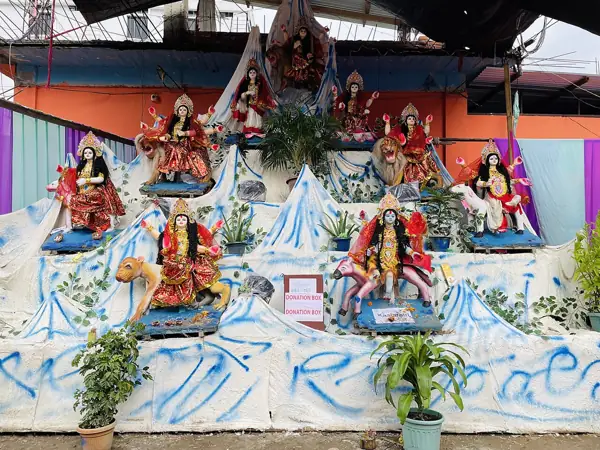 NavratriNavratri and Dussehra across IndiaHow India marks Navratri and Dussehra region by region: Durga Puja, garba, Golu, Bathukamma, Mysuru Dasara, Kullu Dussehra, Ramlila, Ayudha Puja and Vidyarambham.
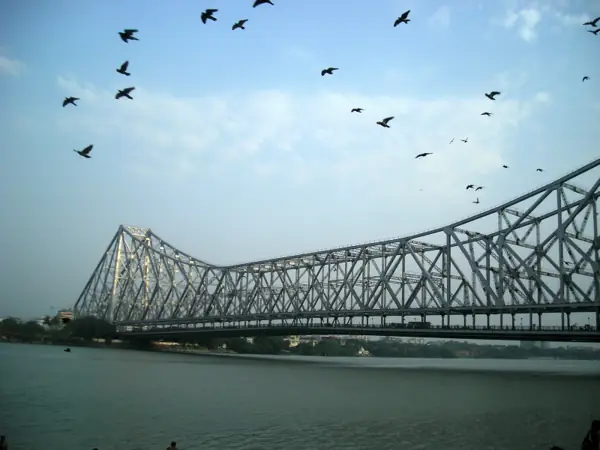 NavratriNavratri in KolkataNavratri and Dussehra in Kolkata for every community: where Ravan dahan happens, finding garba nights, vrat food, Golu at home, and how to enjoy Durga Puja if you're not Bengali.
- NavratriNavadurgaThe nine forms of Durga, from Shailaputri to Siddhidatri: what each name means, how each is depicted and the offering commonly linked to each Navratri day.
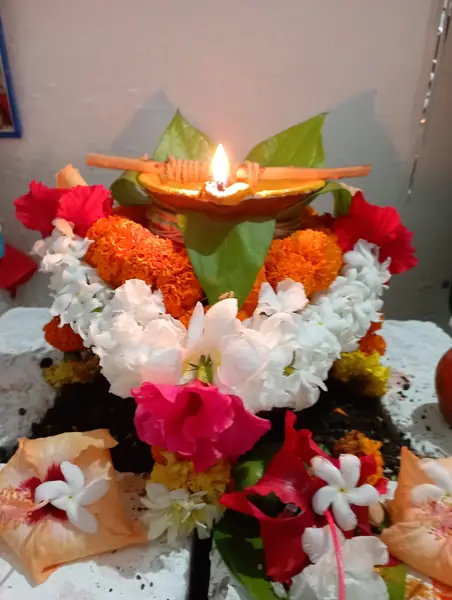 Navratri · 10 stepsGhatasthapanaStep-by-step Navratri ghatasthapana (kalash sthapana) at home: sowing barley in soil, setting the kalash, coconut and mango leaves, muhurta tips and supplies.
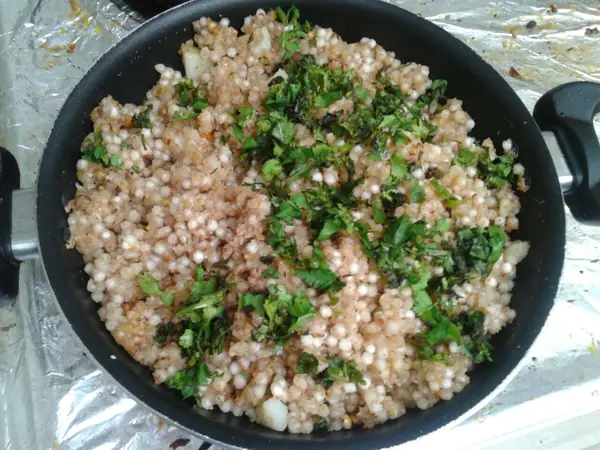 NavratriNavratri fasting rulesNavratri vrat explained: types of fast, foods commonly allowed (kuttu, singhara, sabudana, sama rice) and avoided, a sample day's meals and health cautions.
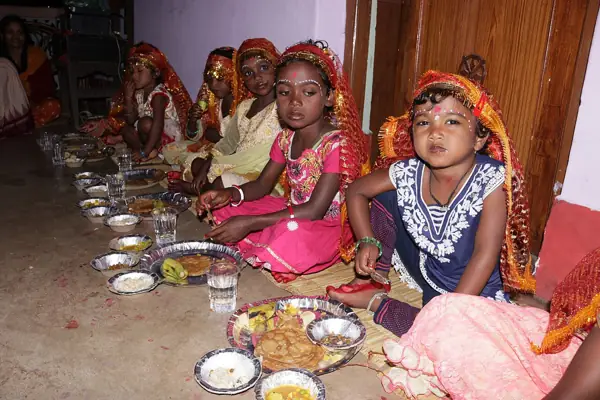 Navratri · 8 stepsKanya pujanHow to do kanya pujan (kanjak) on Navratri Ashtami or Navami: inviting girls, washing feet, tilak, kalawa, the puri, chana and halwa meal, gifts and meaning.
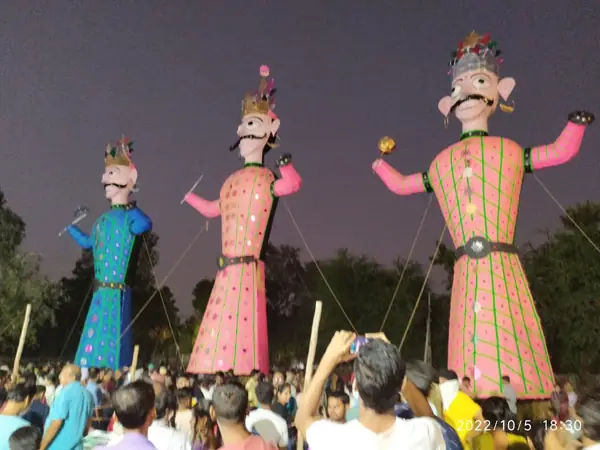 NavratriDussehra and VijayadashamiVijayadashami and Dussehra 2026 explained: Rama's victory over Ravana, Durga's over Mahishasura, Ravan dahan, Mysuru Dasara, Bengal's Bijoya and Shami puja.
- NavratriGarba and Dandiya RaasGarba and Dandiya Raas explained: Gujarati origins, the garbo lamp, basic steps for beginners, what to wear (chaniya choli, kediyu) and etiquette at Navratri.
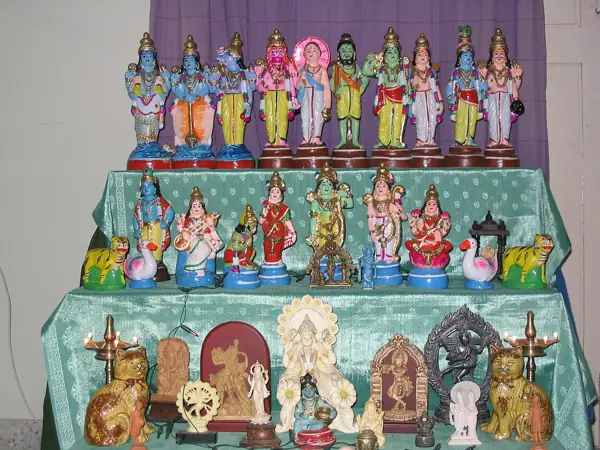 NavratriGoluGolu, the Navratri doll display of Tamil Nadu, Andhra (Bommala Koluvu) and Karnataka (Gombe Habba): the steps, which dolls go where, visiting, thamboolam and sundal.
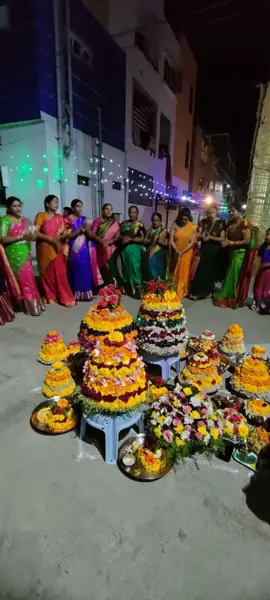 NavratriBathukammaBathukamma explained: Telangana's women's festival of flowers during Navratri. How the flower tower is made, the nine days from Engili Pula to Saddula Bathukamma, songs and dates.
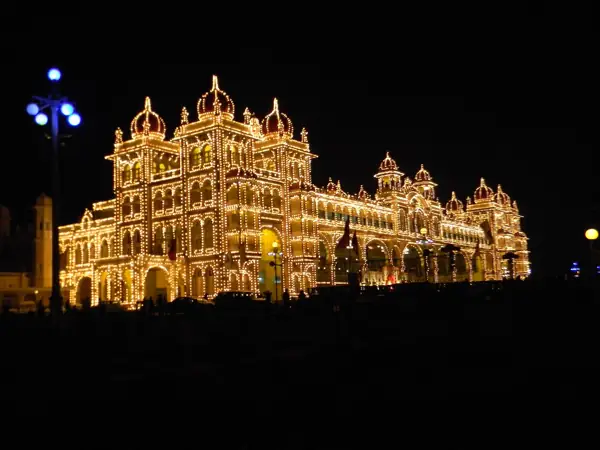 NavratriMysuru DasaraMysuru Dasara, Karnataka's Nadahabba: its history, the lit palace, the Jamboo Savari elephant procession, the torchlight parade and practical tips for 2026.
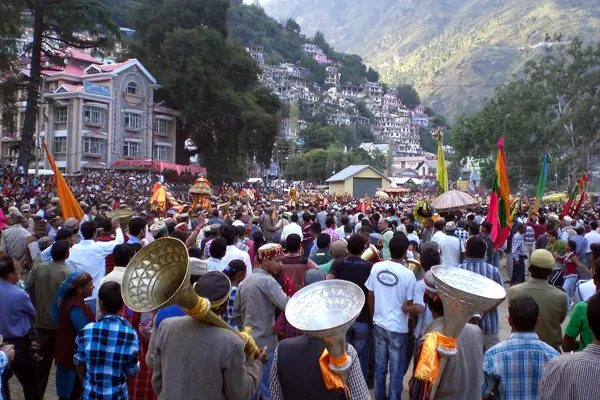 NavratriKullu DussehraKullu Dussehra explained: the week-long festival in Himachal's Kullu valley that begins on Vijayadashami, Raghunath's rath yatra, the visiting village deities and Lanka Dahan.
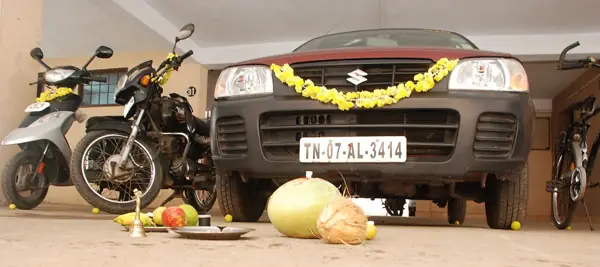 NavratriAyudha Puja, Saraswati Puja and VidyarambhamHow South India ends Navratri: Saraswati Puja and Ayudha Puja on Navami, when tools, vehicles and books are worshipped, and Vidyarambham, a child's first letters on Vijayadashami.
Questions people ask
When does Navratri start in 2026?
Sharad Navratri 2026 begins after Mahalaya, the new moon of Saturday 10 October 2026. Because tithi timings differ by place and tradition, confirm the exact first day and ghatasthapana muhurta in your local panchang.
When is Durga Ashtami and Dussehra in 2026?
Per the Bengal calendar, Maha Ashtami is Monday 19 October, Maha Navami is Tuesday 20 October and Vijayadashami (Dussehra) is Wednesday 21 October 2026. Some regional calendars may place a tithi a day differently, so check your local panchang.
Is Navratri the same as Durga Puja?
They are the same autumn festival season honouring the same Goddess, but the practices differ. Navratri spans nine nights of worship of the Navadurga with fasting and garba, while Bengal's Durga Puja focuses on Shashthi to Dashami with a clay idol of Durga and her children in pandals.
What is the difference between Chaitra and Sharad Navratri?
Chaitra Navratri falls in spring (March or April) and ends with Ram Navami; Sharad Navratri falls in autumn (September or October) and ends with Vijayadashami. Sharad Navratri is the more widely celebrated of the two.
Do Bengalis celebrate Navratri?
Bengalis mark the same days as Durga Puja rather than as a nine-night Navratri. Some Bengali families do perform ghat sthapana from Pratipada and read the Chandi through the period, and Navratri customs are common among people from other regions living in Kolkata.
Read next
- NavratriNavratri and Dussehra across IndiaHow India marks Navratri and Dussehra region by region: Durga Puja, garba, Golu, Bathukamma, Mysuru Dasara, Kullu Dussehra, Ramlila, Ayudha Puja and Vidyarambham.
- NavratriNavratri in KolkataNavratri and Dussehra in Kolkata for every community: where Ravan dahan happens, finding garba nights, vrat food, Golu at home, and how to enjoy Durga Puja if you're not Bengali.
- NavratriNavadurgaThe nine forms of Durga, from Shailaputri to Siddhidatri: what each name means, how each is depicted and the offering commonly linked to each Navratri day.
- Navratri · 10 stepsGhatasthapanaStep-by-step Navratri ghatasthapana (kalash sthapana) at home: sowing barley in soil, setting the kalash, coconut and mango leaves, muhurta tips and supplies.
- NavratriNavratri fasting rulesNavratri vrat explained: types of fast, foods commonly allowed (kuttu, singhara, sabudana, sama rice) and avoided, a sample day's meals and health cautions.
- Navratri · 8 stepsKanya pujanHow to do kanya pujan (kanjak) on Navratri Ashtami or Navami: inviting girls, washing feet, tilak, kalawa, the puri, chana and halwa meal, gifts and meaning.
- NavratriDussehra and VijayadashamiVijayadashami and Dussehra 2026 explained: Rama's victory over Ravana, Durga's over Mahishasura, Ravan dahan, Mysuru Dasara, Bengal's Bijoya and Shami puja.
- NavratriGarba and Dandiya RaasGarba and Dandiya Raas explained: Gujarati origins, the garbo lamp, basic steps for beginners, what to wear (chaniya choli, kediyu) and etiquette at Navratri.
 Durga PujaWhat is Durga Puja? The meaning behind the festivalWhat Durga Puja means: the Devi Mahatmya story of Mahishasura, Durga as Shakti, Uma's homecoming, Rama's akal bodhon and why the festival falls in autumn.