Navratri fasting rules: what to eat and what to avoid
 Pujo Parikrama team4 min read · Updated
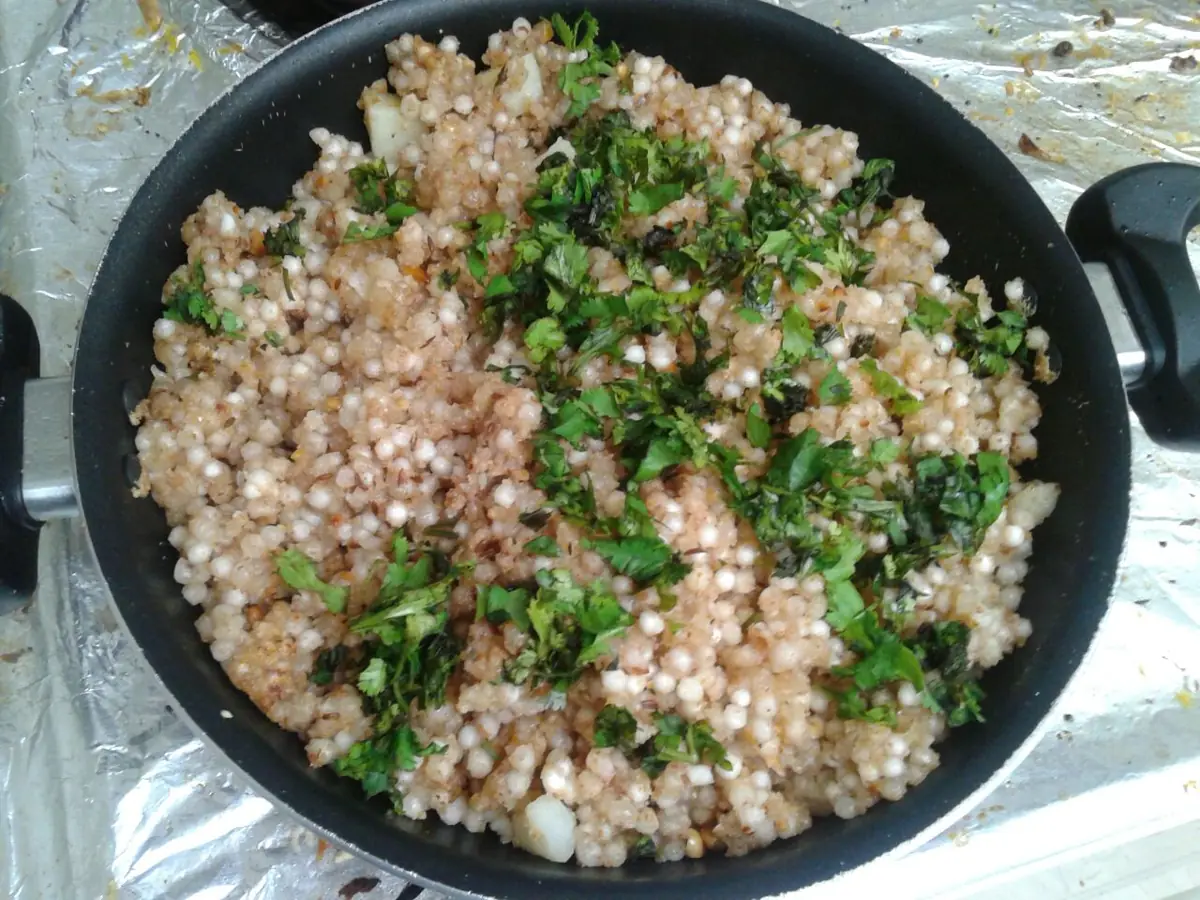
Navratri fasting (vrat) usually means giving up grains, pulses, onion, garlic, regular salt, meat, eggs and alcohol for some or all of the nine days, and eating fruit, dairy, potatoes and special flours such as kuttu (buckwheat), singhara (water chestnut) and rajgira (amaranth), with sendha namak (rock salt). Fasts range from nirjala (no food or water) to phalahar (fruit and milk) to one meal a day. Rules differ by family and region, and people with diabetes, pregnancy or other health conditions should consult a doctor before fasting.
 ▶ Photo story · 7 pagesNavratri fasting rules: what to eat and what to avoid
In this article 7 sections
A Navratri fast (vrat) usually means no grains, pulses, onion, garlic, regular salt, meat, eggs or alcohol, while fruit, milk and curd, potatoes, sweet potatoes, nuts and special flours like kuttu (buckwheat), singhara (water chestnut) and rajgira (amaranth) are eaten, seasoned with sendha namak (rock salt). How strictly people fast varies a great deal, from no food or water at all to a single sattvic meal a day. Families and regions have their own rules, and the most important one is to fast safely.
Why people fast during Navratri
Fasting during Navratri is an act of devotion and self-discipline. Simpler, lighter food is believed to keep the mind clear for worship, and the season itself, the turn from monsoon to autumn, is traditionally seen as a time for lighter eating. For many, fasting is also a family tradition kept for its own sake.
Types of Navratri fast
| Type | What it means | Who usually keeps it |
|---|---|---|
| Nirjala | No food or water for the day | A small number of devotees, usually for one day only, such as Ashtami |
| Phalahar | Only fruit, milk, curd, nuts and water | Common among people fasting all nine days |
| One meal (ekbhukt) | One sattvic vrat meal, often in the evening, with fruit or milk at other times | Very common, especially for working people |
| Partial | Normal vegetarian food without onion, garlic, meat or alcohol | Families who observe the festival without a strict vrat |
| First and last day | A fast on Pratipada and Ashtami or Navami only | Common for people who can't fast for nine days |
Most fasts are broken after the evening puja, or on the final day after kanya pujan.
Foods commonly allowed
| Category | Examples |
|---|---|
| Flours | Kuttu (buckwheat), singhara (water chestnut), rajgira (amaranth), sama (barnyard millet) flour |
| Grain substitutes | Sama rice (vrat ke chawal), sabudana (tapioca pearls) |
| Vegetables | Potato, sweet potato, arbi (colocasia), raw banana, pumpkin, bottle gourd, cucumber, tomato in many homes |
| Fruit | All fresh fruit; dates, raisins |
| Dairy | Milk, curd, paneer, buttermilk, ghee, makhana kheer |
| Nuts and seeds | Almonds, cashews, walnuts, peanuts, makhana (fox nuts) |
| Seasoning | Sendha namak, black pepper, cumin, green chilli, ginger, fresh coriander |
| Sweeteners | Sugar, jaggery, honey |
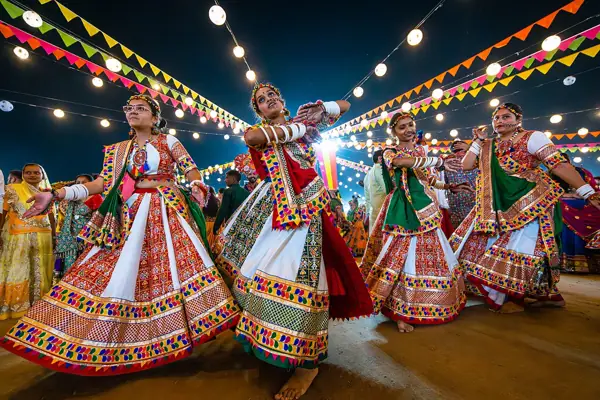 Also readNavratri 2026
Foods commonly avoided
| Category | Examples |
|---|---|
| Grains | Wheat, rice, maida, semolina (suji), corn, oats |
| Pulses | Dal, chana, rajma and lentils of all kinds |
| Alliums | Onion, garlic |
| Salt | Regular iodised table salt |
| Non-vegetarian | Meat, fish, eggs |
| Intoxicants | Alcohol, tobacco |
| Some spices | Turmeric, garam masala, hing and mustard seeds are avoided in some families and accepted in others |
| Processed food | Packaged snacks made with regular salt or flour |
Note that kuttu and rajgira are not true grains (botanically they are seeds), which is one reason they became fasting staples. Sama rice and sabudana are accepted by most families but not all.
A sample day's meals
This is one balanced example for a one-meal or phalahar fast. Adjust to your custom and health.
| Time | What to eat |
|---|---|
| Early morning | Water, a few soaked almonds and a date |
| Mid-morning | A bowl of fruit with curd, or a glass of milk |
| Lunch (if allowed) | Sama rice khichdi with potato and cucumber raita |
| Afternoon | Roasted makhana, buttermilk or coconut water |
| Evening, after puja | Kuttu or singhara puri or roti, aloo sabzi in sendha namak and cumin, a little lauki (bottle gourd) curry |
| Night | Warm milk, or makhana kheer |
Other popular dishes: sabudana khichdi, sabudana vada, aloo tikki in singhara flour, rajgira paratha, kuttu pakoras, shakarkandi chaat and coconut ladoos.
Health cautions
- Diabetes, high or low blood pressure, kidney or heart conditions: talk to your doctor before fasting and monitor sugar levels. Nirjala fasts are especially risky.
- Pregnancy and breastfeeding: consult your doctor. Many families encourage a gentle partial fast or no fast at all.
- Children, older people and anyone on regular medication: a modified fast is usually wiser; never skip prescribed medicines.
- Hydration: drink plenty of water, buttermilk, coconut water and lemon water unless you are keeping a nirjala fast.
- Fried food: vrat food is often deep fried. Balance it with fruit, curd and steamed or roasted dishes.
- Buy fresh flour: kuttu and singhara flour spoil quickly. Buy from a reliable shop, check the date and smell, and store sealed.
- Break the fast gently: start with fruit, curd or a light dish.
Variations by family and region
There is no single "correct" list. In Gujarat, Rajasthan, Uttar Pradesh, Punjab and Delhi, the grain-free vrat is widespread. Some Maharashtrian families eat sabudana and peanuts freely, while some north Indian families don't eat sabudana or tomatoes. Some families allow tea and coffee; others don't.
In Bengal, the festival is a time of bhog and feasting. Most Bengalis don't keep a nine-day fast. Many stay without food on Ashtami morning until they have offered pushpanjali, and keep that day vegetarian; fish and meat return to many tables on Navami and Dashami.
If your family has its own rules, follow them. If you are starting a vrat for the first time, a fruit-and-one-meal fast is a gentle, widely accepted beginning.
Questions people ask
Can we eat rice during Navratri fast?
Regular rice is usually avoided. Sama rice (barnyard millet, also sold as vrat ke chawal) is commonly eaten in its place, though some families avoid it too.
Why is regular salt not eaten during Navratri?
Fasting traditions treat sendha namak (rock salt) as pure and unprocessed, so it replaces ordinary table salt in vrat food. Some people avoid salt altogether on certain days.
Can I drink tea or coffee during Navratri fast?
Many people who keep a phalahar or one-meal fast drink tea or coffee with milk, while stricter fasters avoid them. Follow your family's custom.
Is it compulsory to fast all nine days?
No. Many people fast only on the first and last days, or on Ashtami, or on days that suit their health. Devotion is not measured by the strictness of the fast.
Can diabetics or pregnant women keep the Navratri fast?
They should consult a doctor first. Long gaps without food, heavy fried vrat food and dehydration can be risky, and a doctor can suggest a safer, modified fast.
Do Bengalis fast during Durga Puja?
Most Bengalis do not keep a nine-day fast. Many stay without food on Ashtami morning until they offer pushpanjali, and some keep vegetarian meals on Ashtami, while feasting is common on other days.
Read next
- NavratriNavratri 2026What Navratri means, when Sharad Navratri 2026 falls, its rituals (ghatasthapana, Navadurga, fasting, garba) and how it differs from Bengal's Durga Puja.
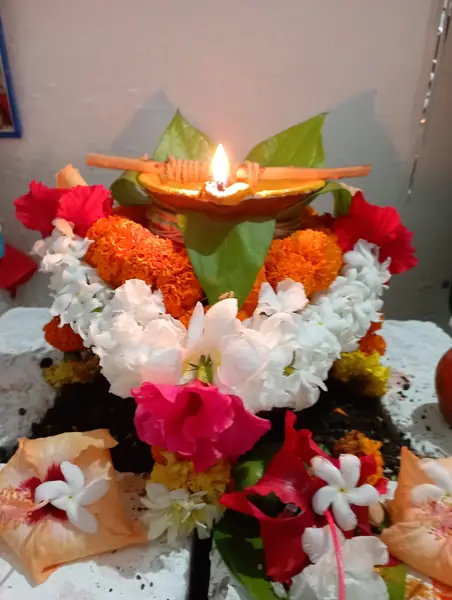 Navratri · 10 stepsGhatasthapanaStep-by-step Navratri ghatasthapana (kalash sthapana) at home: sowing barley in soil, setting the kalash, coconut and mango leaves, muhurta tips and supplies.
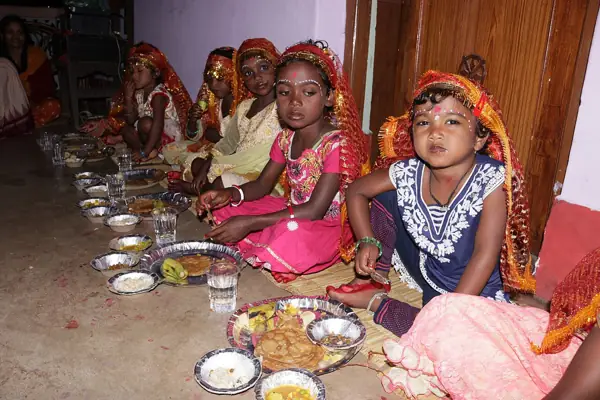 Navratri · 8 stepsKanya pujanHow to do kanya pujan (kanjak) on Navratri Ashtami or Navami: inviting girls, washing feet, tilak, kalawa, the puri, chana and halwa meal, gifts and meaning.
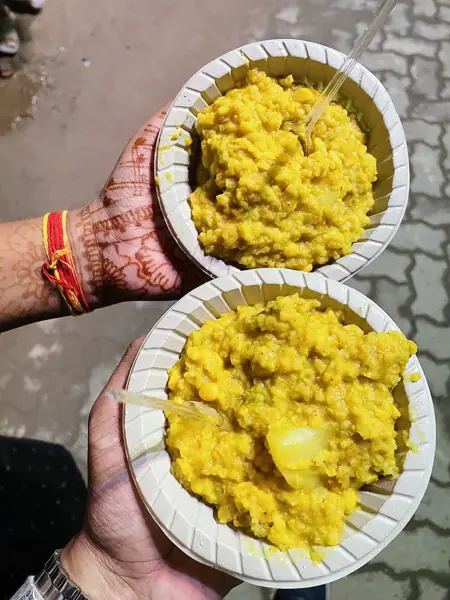 CultureDurga Puja foodWhat people eat at Durga Puja: khichuri bhog, labra, payesh, phuchka, rolls, mughlai paratha, rosogolla and sandesh, plus why bhog is shared and eaten together.