Navratri and Dussehra across India: a guide to how every community celebrates
 Pujo Parikrama team5 min read · Updated
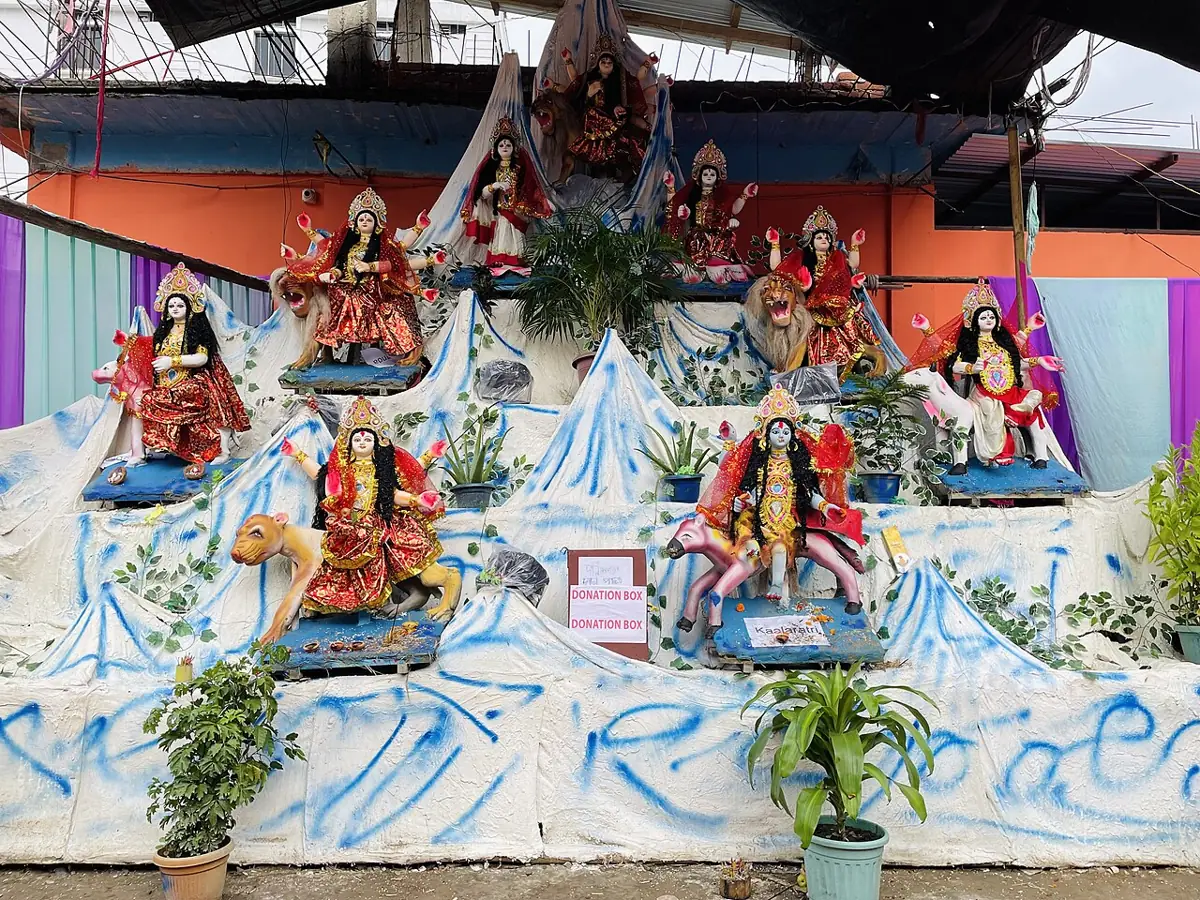
The same autumn nine nights are celebrated very differently across India. Bengal, Assam, Odisha, Bihar and Tripura worship Durga in pandals; Gujarat dances garba; Tamil, Telugu and Kannada homes set up Golu doll steps; Telangana's women build Bathukamma flower towers; Karnataka holds the Mysuru Dasara; north India stages Ramlila and burns Ravana on Dussehra; Kerala and the south worship tools and books on Navami and start children on letters on Vijayadashami. In 2026 the nine nights begin on 11 October, after Mahalaya on 10 October.
 ▶ Photo story · 9 pagesNavratri and Dussehra across India: a guide to how every community celebrates
In this article 8 sections
India keeps one festival season and many festivals. The nine nights after the new moon of Mahalaya belong to the Goddess everywhere, but what people do with them depends on where they come from: a clay Durga in a Kolkata pandal, a lamp in a pot at the centre of a garba circle in Ahmedabad, steps of dolls in a Chennai living room, towers of flowers floating on a Hyderabad lake, an elephant carrying the goddess through Mysuru. This guide walks through the main traditions, region by region, and links to a fuller guide for each.
In 2026 the season opens with Mahalaya on Saturday 10 October and the nine nights begin on Sunday 11 October. Most national calendars place Dussehra on Tuesday 20 October; Bengal's calendar places Bijoya Dashami on Wednesday 21 October. Communities follow their own panchang (almanac), so a festival can fall a day apart in different states. Check yours before you plan.

At a glance
| Region | What the season is called | What you'll see | Guide |
|---|---|---|---|
| West Bengal, Assam, Tripura, Odisha, Bihar, Jharkhand | Durga Puja | Durga and her children in pandals, Shashthi to Dashami | Durga Puja |
| Gujarat, and Gujarati families everywhere | Navratri | Garba and dandiya every night | Garba and dandiya |
| Tamil Nadu, Andhra Pradesh, Karnataka | Navaratri, Golu, Bommala Koluvu, Gombe Habba | Steps of dolls at home, visits and sundal | Golu |
| Telangana | Bathukamma, Dasara | Flower towers, circle songs, immersion at dusk | Bathukamma |
| Karnataka | Mysuru Dasara, Nadahabba | Lit palace, elephant procession | Mysuru Dasara |
| Himachal Pradesh | Kullu Dussehra | Village deities gather for a week from Vijayadashami | Kullu Dussehra |
| North India | Navratri, Dussehra | Fasting, kanya pujan, Ramlila, Ravan dahan | Dussehra |
| Kerala and the south | Navaratri, Pooja Vaippu | Tools and books worshipped, children start letters | Ayudha Puja and Vidyarambham |
East: Durga Puja
In Bengal, Assam, Tripura, Odisha, Bihar and Jharkhand, the season is Durga Puja. The Goddess arrives with her four children, Lakshmi, Saraswati, Kartik and Ganesh, and is worshipped in community pandals and old family homes for the last five days, Shashthi to Dashami. Bengal treats her as a daughter, Uma, visiting her parents, which is why Dashami feels like a farewell. Odisha is known for silver filigree decorations in Cuttack; Assam and Tripura keep their own village and temple traditions alongside the pandals. Start with what Durga Puja is, and if you are in Kolkata, the pandal guide.

West: garba and dandiya
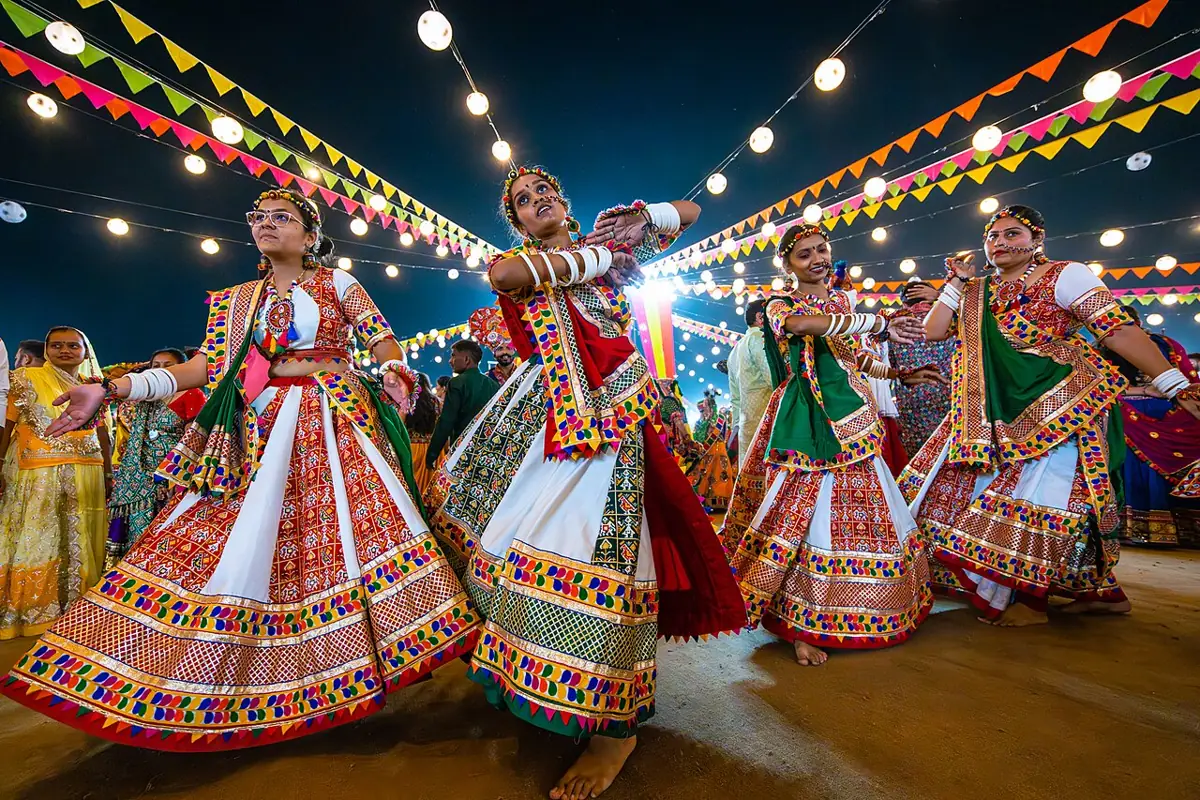
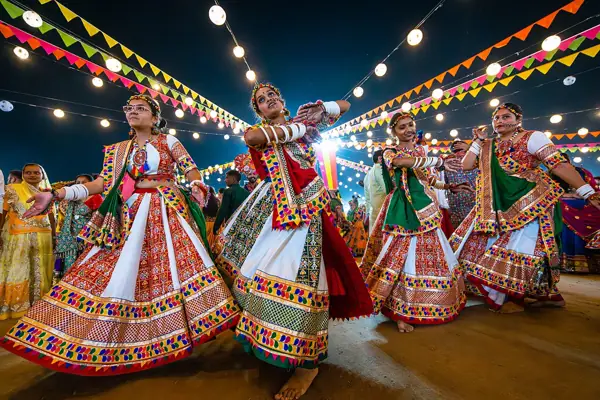
Gujarat's Navratri is danced. Every night people gather around a garbo, a pierced clay pot with a lamp inside, and circle it with claps and turns; later the dandiya sticks come out. Many families also keep a nine-day fast and worship the Goddess at home. Maharashtra marks ghatasthapana (setting up the sacred pot) at home, girls sing bhondla songs around an image of an elephant, and on Dussehra people exchange apta leaves as "gold". See garba and dandiya and ghatasthapana.

South: dolls, flowers and a royal procession
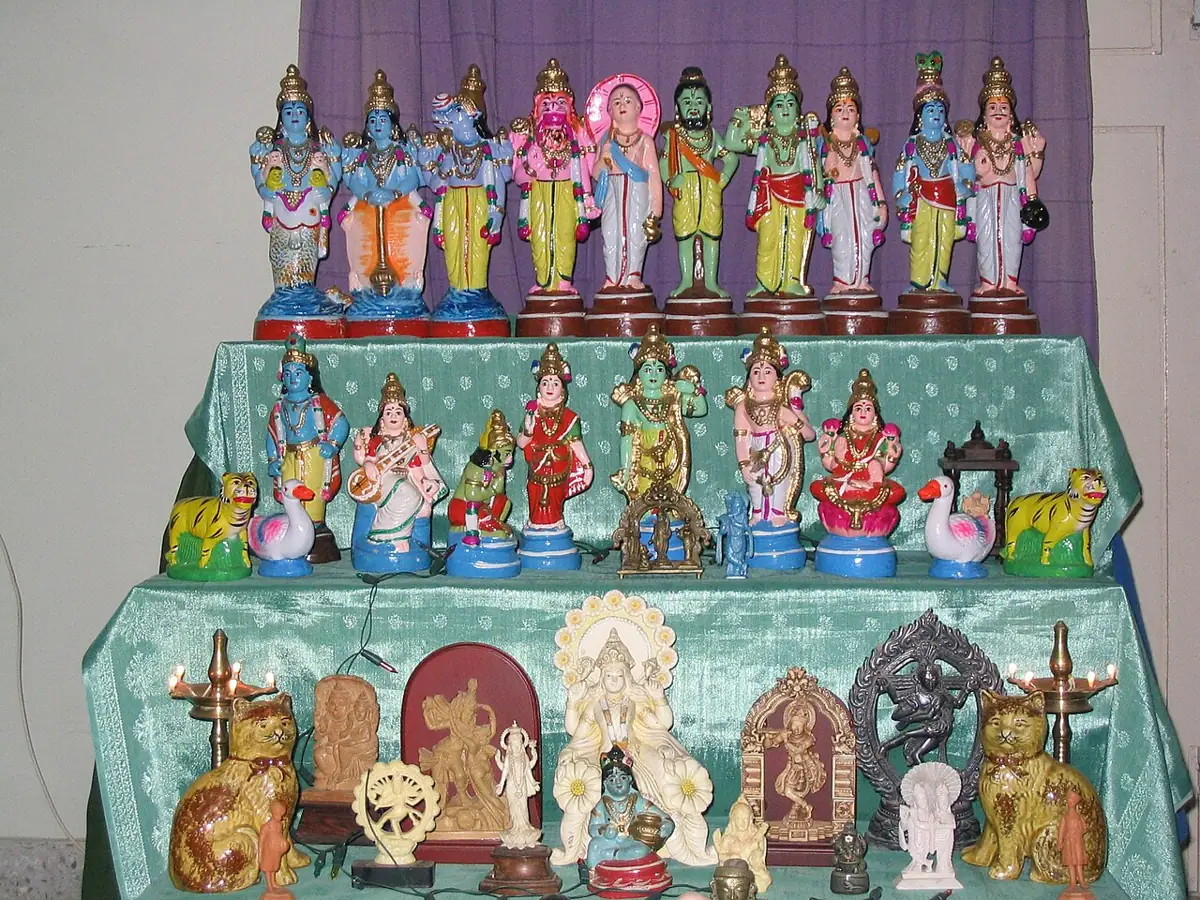
Golu. In Tamil homes, and as Bommala Koluvu in Andhra Pradesh and Gombe Habba in Karnataka, families build an odd number of steps and arrange dolls of gods, saints and everyday life on them. Women visit each other's displays in the evenings, sing, and leave with thamboolam (betel leaves, turmeric and a small gift) and a cup of sundal. Read the Golu guide.
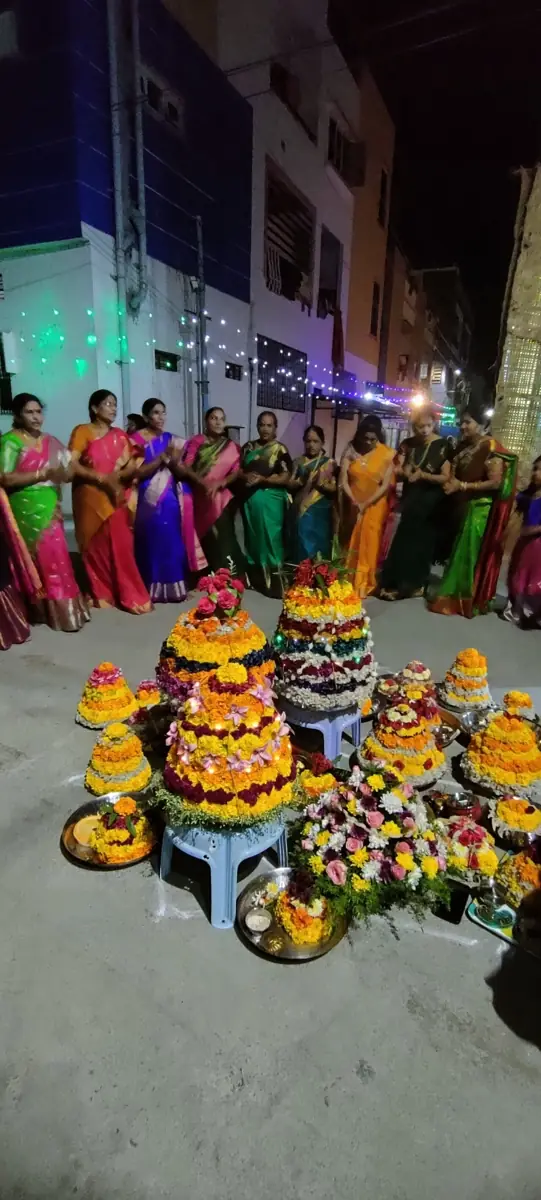
Bathukamma. Telangana's state festival is a women's festival of flowers. Each evening for nine days, women stack seasonal flowers into a cone, dance in a circle around it singing, and set it afloat on a lake or tank at dusk. It closes with Saddula Bathukamma on Durgashtami. Read the Bathukamma guide.
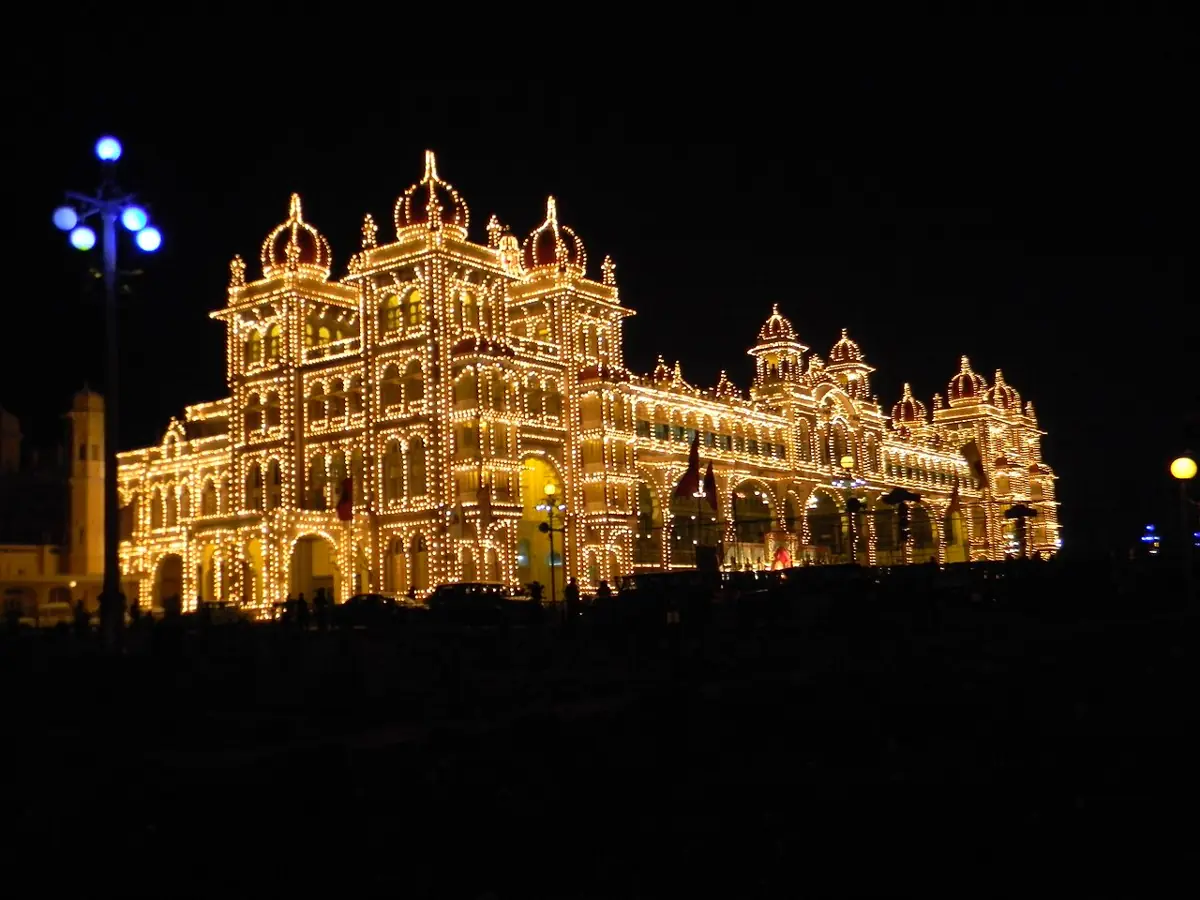
Mysuru Dasara. Karnataka's Nadahabba (state festival) lights up Mysuru Palace every night and ends with the Jamboo Savari, when the goddess Chamundeshwari rides through the city in a golden howdah on an elephant. Read the Mysuru Dasara guide.
Ayudha Puja and Vidyarambham. Across the south, Navami is the day to clean and worship tools, vehicles, instruments and books; in Kerala the books stay with the Goddess until Vijayadashami morning, when small children write their first letters in rice. Read the Ayudha Puja and Vidyarambham guide.

North: fasting, kanjak and Ravana's fall
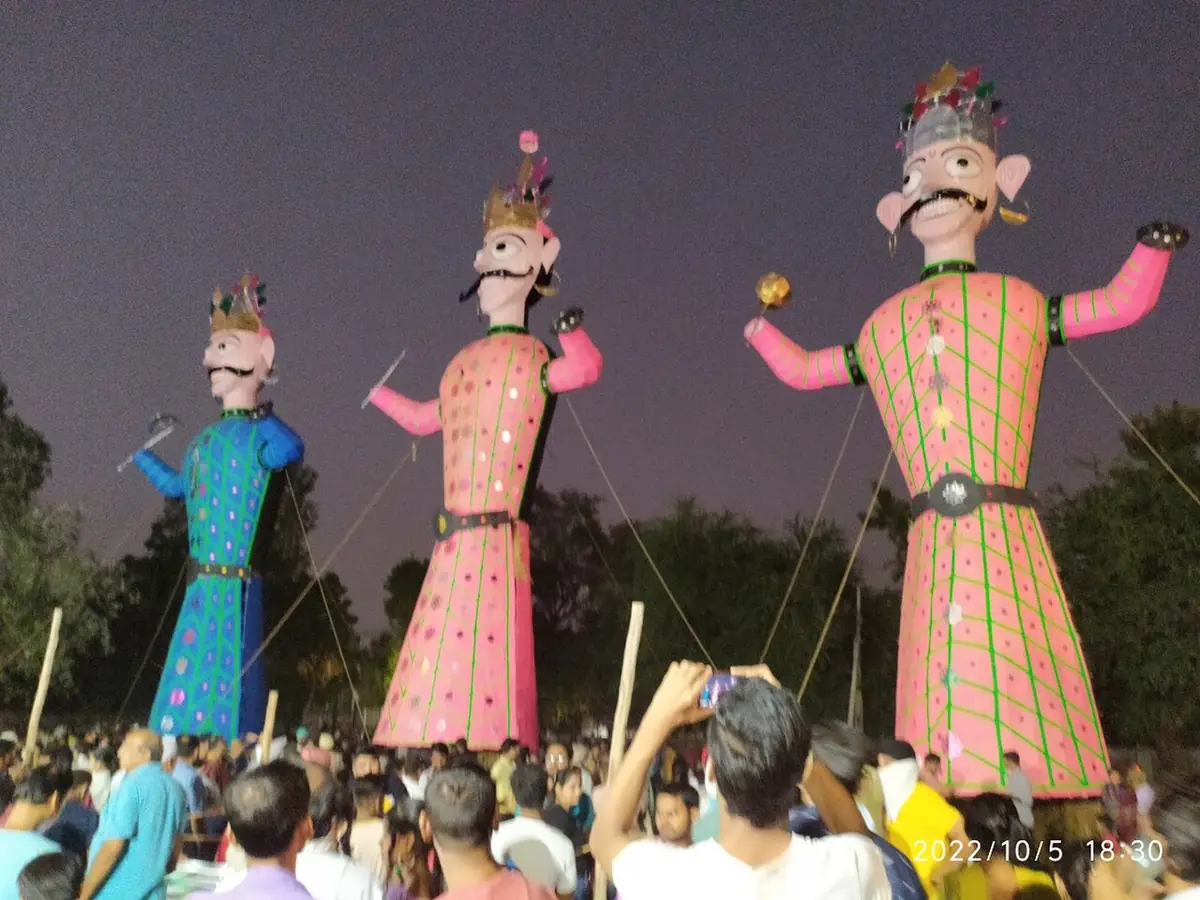
Across Uttar Pradesh, Delhi, Punjab, Haryana, Rajasthan, Madhya Pradesh and Bihar, many families fast for the nine days, worship the nine forms of Durga one by one, and feed young girls as the Goddess on Ashtami or Navami (kanya pujan). In the evenings, neighbourhood Ramlila troupes act out the Ramayana; on Dussehra, effigies of Ravana, Kumbhakarna and Meghnad are burned. Varanasi's Ramnagar Ramlila is famous for lasting about a month. See fasting rules and Dussehra.
 Also readNavratri 2026
The hills and the heartland
Kullu Dussehra in Himachal Pradesh starts when Dussehra ends elsewhere: for a week from Vijayadashami, deities from the valley's villages are carried to Dhalpur Maidan to attend on Raghunath (Rama). Read the Kullu Dussehra guide.
Bastar Dussehra in Chhattisgarh is often described as the longest of all, running for about 75 days, and honours the local goddess Danteshwari with a great wooden chariot, built anew by the tribal communities of the region.

Beyond India
In Nepal the same season is Dashain, the year's biggest festival: barley sprouts (jamara) grown from the first day are worn on the tenth with a red tika from elders. Bengali, Gujarati and South Indian communities abroad keep their own versions, which is why London, New Jersey and Singapore now have pandals, garba nights and Golu displays too.
Same season, many kinds of worship
What ties these together is the Goddess and the victory of good over evil, told as Durga's defeat of Mahishasura in the east and as Rama's defeat of Ravana in the north. Practices vary by family as much as by state, so treat this as a map, not a rulebook. If you are in Kolkata this year, the Navratri in Kolkata guide shows how to combine your own traditions with the city's Durga Puja.
Questions people ask
How is Navratri celebrated in different states of India?
Bengal and the east worship Durga in pandals; Gujarat dances garba and dandiya; Tamil Nadu, Andhra Pradesh and Karnataka keep Golu doll displays; Telangana celebrates Bathukamma; Karnataka holds the Mysuru Dasara; north India stages Ramlila and burns Ravana's effigy on Dussehra; Kerala marks Ayudha Puja and Vidyarambham.
When is Navratri in 2026?
Sharad Navratri 2026 begins on Sunday 11 October, the day after Mahalaya (Saturday 10 October). Most national calendars place Dussehra on Tuesday 20 October; the Bengal calendar places Bijoya Dashami on Wednesday 21 October. Check your local panchang for your community's dates.
Is Dussehra the same as Durga Puja?
They fall at the same time and both end on Vijayadashami, but they celebrate different stories. Durga Puja honours Durga's victory over Mahishasura; Dussehra in north India celebrates Rama's victory over Ravana. In Bengal the tenth day is Bijoya Dashami, when the idols are immersed.
Which is the longest Dussehra festival in India?
Bastar Dussehra in Chhattisgarh is often described as the longest, running for about 75 days and centred on the local goddess Danteshwari rather than on Rama and Ravana.
Where can I see the biggest Dussehra celebrations?
The best known are the Mysuru Dasara procession in Karnataka, Kullu Dussehra in Himachal Pradesh, the Ramlila grounds of Delhi and Varanasi, and Bastar Dussehra in Chhattisgarh. In Kolkata, Durga Puja itself is the great celebration of the season.
Read next
- NavratriNavratri 2026What Navratri means, when Sharad Navratri 2026 falls, its rituals (ghatasthapana, Navadurga, fasting, garba) and how it differs from Bengal's Durga Puja.
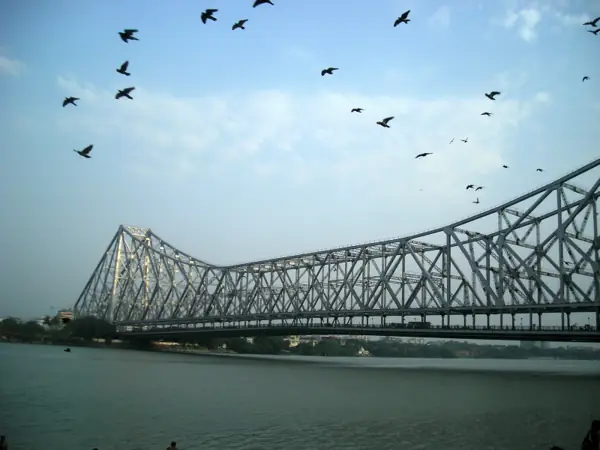 NavratriNavratri in KolkataNavratri and Dussehra in Kolkata for every community: where Ravan dahan happens, finding garba nights, vrat food, Golu at home, and how to enjoy Durga Puja if you're not Bengali.
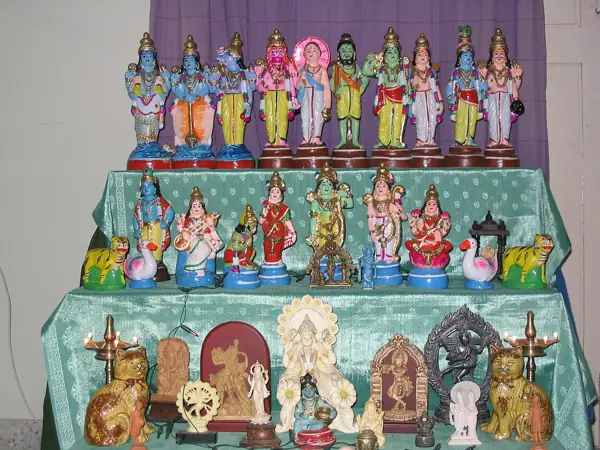 NavratriGoluGolu, the Navratri doll display of Tamil Nadu, Andhra (Bommala Koluvu) and Karnataka (Gombe Habba): the steps, which dolls go where, visiting, thamboolam and sundal.
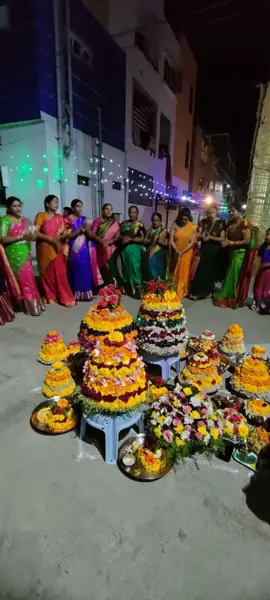 NavratriBathukammaBathukamma explained: Telangana's women's festival of flowers during Navratri. How the flower tower is made, the nine days from Engili Pula to Saddula Bathukamma, songs and dates.
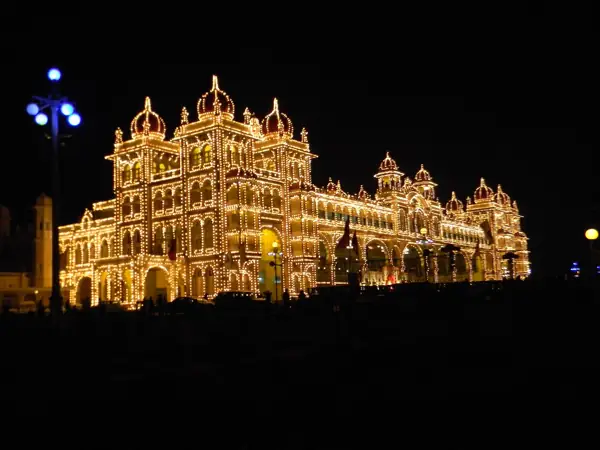 NavratriMysuru DasaraMysuru Dasara, Karnataka's Nadahabba: its history, the lit palace, the Jamboo Savari elephant procession, the torchlight parade and practical tips for 2026.
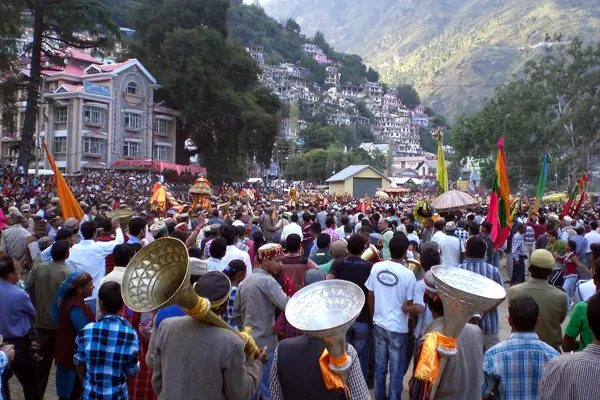 NavratriKullu DussehraKullu Dussehra explained: the week-long festival in Himachal's Kullu valley that begins on Vijayadashami, Raghunath's rath yatra, the visiting village deities and Lanka Dahan.
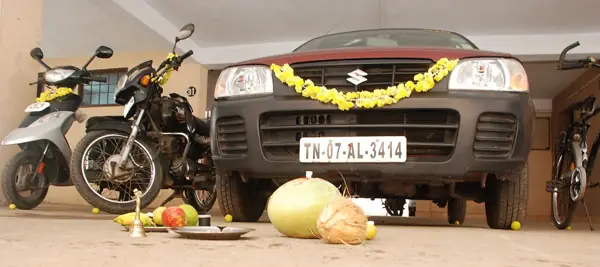 NavratriAyudha Puja, Saraswati Puja and VidyarambhamHow South India ends Navratri: Saraswati Puja and Ayudha Puja on Navami, when tools, vehicles and books are worshipped, and Vidyarambham, a child's first letters on Vijayadashami.
- NavratriGarba and Dandiya RaasGarba and Dandiya Raas explained: Gujarati origins, the garbo lamp, basic steps for beginners, what to wear (chaniya choli, kediyu) and etiquette at Navratri.
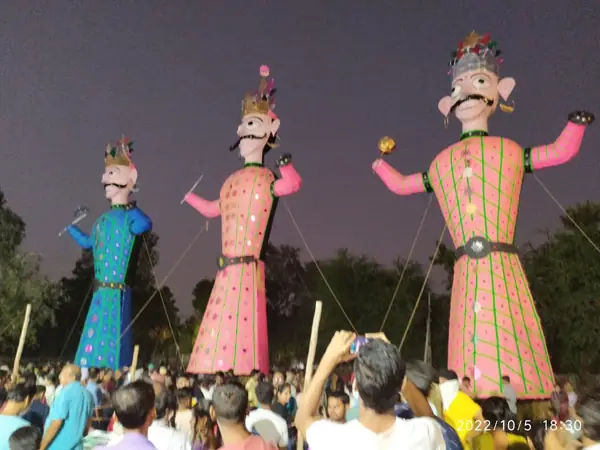 NavratriDussehra and VijayadashamiVijayadashami and Dussehra 2026 explained: Rama's victory over Ravana, Durga's over Mahishasura, Ravan dahan, Mysuru Dasara, Bengal's Bijoya and Shami puja.