Durga Puja around the world
 Pujo Parikrama team5 min read · Updated
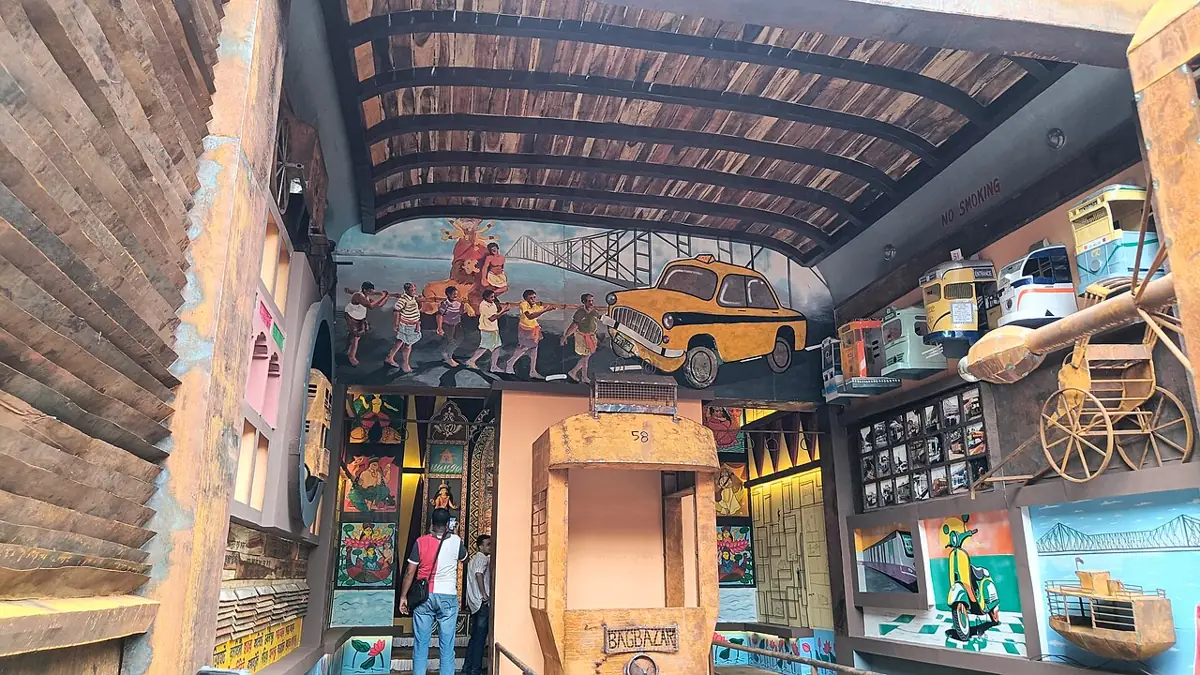
Durga Puja is celebrated wherever Bengalis and other devotees of the goddess live: across West Bengal, in Assam, Tripura, Odisha, Bihar and Jharkhand, in big-city Bengali communities such as Delhi's Chittaranjan Park, Mumbai and Bengaluru, in Bangladesh, where it is the largest Hindu festival, and in diaspora communities from the UK to the USA and Australia. Outside India and Bangladesh, pujas are often held on the weekend nearest the traditional dates, with images frequently shipped from Kolkata's Kumartuli.
 ▶ Photo story · 9 pagesDurga Puja around the world
In this article 7 sections
Kolkata is the festival's best-known stage, but Durga Puja is celebrated far beyond it: in every district of West Bengal, in neighbouring states of eastern and north-eastern India, in Bengali communities in cities across the country, in Bangladesh and in a worldwide diaspora. The core is the same everywhere, the goddess with her children worshipped from Shashthi to Dashami, but each place adapts the festival to its own history, climate and calendar. Abroad, many pujas move to the weekend nearest the traditional lunar days.
West Bengal beyond Kolkata
Almost every town and village in West Bengal has its own puja, and many districts have traditions as old as, or older than, Kolkata's. Royal and landowning families in places such as Krishnanagar, Bishnupur, Burdwan and Cooch Behar kept household pujas with distinctive rituals, and some of these continue in old family homes and temples. Hooghly district's Guptipara is traditionally associated with the first barowari (subscription) puja; see our history of Durga Puja.
In smaller towns the festival is often more intimate than in Kolkata: a few pujas within walking distance, a local fair, a cultural programme on a temporary stage, and the immersion procession to a nearby river or pond. Larger towns such as Siliguri, Durgapur and Asansol have big community pujas and themed pandals in the Kolkata style. Many Kolkata families also travel back to their ancestral villages for the puja days.
Across the river from Kolkata, Howrah has its own busy puja circuit, covered in our Kolkata guide.
Eastern and north-eastern India
Assam
Durga Puja is one of Assam's most important festivals, celebrated across the state and especially in Guwahati and in the Bengali-majority Barak Valley. Assam also has a strong tradition of goddess worship centred on the Kamakhya temple, where the autumn worship of Durga has its own rites.
Tripura
In Tripura, which has a large Bengali population and a long history of royal patronage of the festival, Durga Puja is the biggest celebration of the year. Agartala's pujas draw large crowds, and some older pujas trace their roots to the former royal family.
Odisha
In Odisha, Durga is worshipped as part of the festival season that coincides with Dussehra, and pujas are found across the state. Cuttack is especially well known for pandals in which the image and its decoration are made with intricate silver filigree, a local craft speciality.
Bihar and Jharkhand
Durga Puja is widely celebrated in Bihar and Jharkhand, with large pandals in cities such as Patna, Ranchi and Jamshedpur. Here the Bengali style of image sits alongside local Navratri customs, fasting and the Dussehra fairs of north India.
Bengali communities in Indian cities
Wherever Bengalis have settled for work, a puja has followed. These pujas are often run by a Bengali association or samiti, and they double as the community's main social event of the year: cultural programmes, Bengali food stalls, shared bhog and evening adda.
- Delhi: Chittaranjan Park (CR Park) in south Delhi, a neighbourhood that grew out of resettlement of families displaced from East Bengal, is the city's Durga Puja hub, with several large pujas within walking distance and food stalls known across the capital. Older pujas in north and central Delhi, and many in the NCR, are also well attended.
- Mumbai: Bengali associations hold pujas across the city and its suburbs, in community halls, school grounds and parks. Some attract film and music personalities, which brings them media attention.
- Bengaluru: a large Bengali population, many working in technology, supports a growing number of pujas run by associations and residential communities across the city.
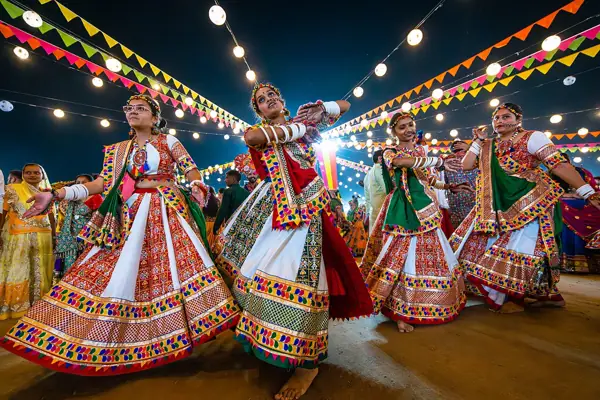
Similar community pujas are held in Chennai, Hyderabad, Pune, Ahmedabad, Bhubaneswar, Lucknow and many other cities. In much of western and northern India, the same days are observed as Navratri, with Garba and Dandiya and Dussehra.

Bangladesh
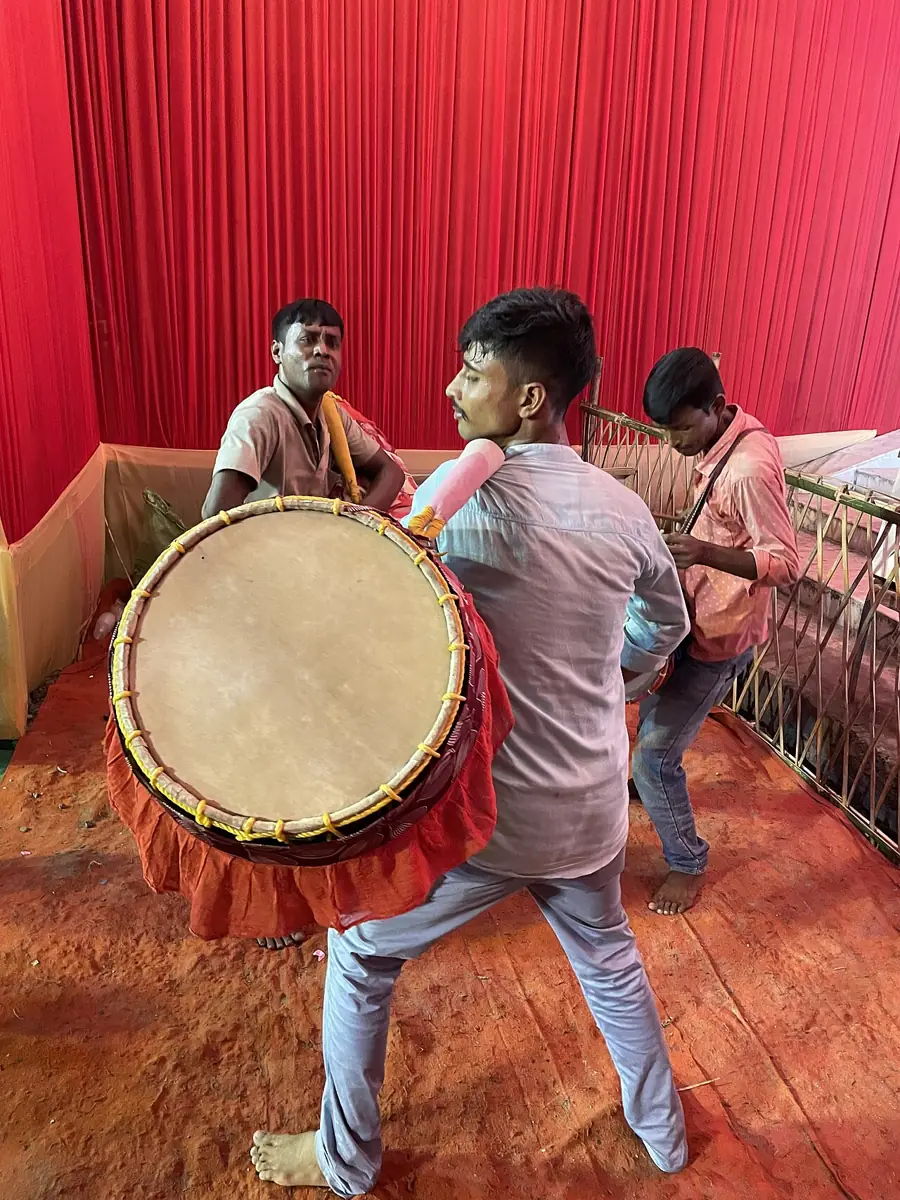
In Bangladesh, Durga Puja is the largest festival of the Hindu community and is celebrated throughout the country, in cities and villages alike. The Dhakeshwari temple in Dhaka is one of the most important centres, and Bijoya Dashami is a public holiday. The ritual traditions are closely related to those of West Bengal, sharing the same Mahalaya, Kola Bou, Sandhi Puja and sindoor khela. Many families now in West Bengal trace their roots to what is now Bangladesh, and the festival keeps that connection alive.
 Also readKumartuli and the making of Durga idols
Nepal and the wider Himalaya
In Nepal the same season is celebrated as Dashain, the country's biggest festival. It also honours Durga's victory over evil and ends on Vijayadashami, but its customs, such as elders placing tika and jamara (barley shoots) on younger family members, differ from Bengali Durga Puja.
The diaspora: pujas on the weekend
Bengali and wider Hindu communities hold Durga Pujas across the world, in the United Kingdom, the United States, Canada, Australia, New Zealand, Singapore, the Gulf countries, continental Europe, Africa and beyond. Some London pujas have run for several decades, and North American cities with large South Asian populations may have many.
Diaspora pujas have a few common features:
- Weekend timing. Because organisers and devotees work during the week, many pujas compress the main rituals into the weekend closest to the traditional tithis (lunar days), sometimes beginning on a Friday evening. Others keep the exact dates. In 2026 the main days in India are Shashthi on Saturday 17 October to Bijoya Dashami on Wednesday 21 October, so many overseas pujas are likely to fall around the weekend of 17 and 18 October; check with your local organiser.
- Rented spaces. Pujas are held in school halls, community centres, temples or hired venues, sometimes in the same hall year after year.
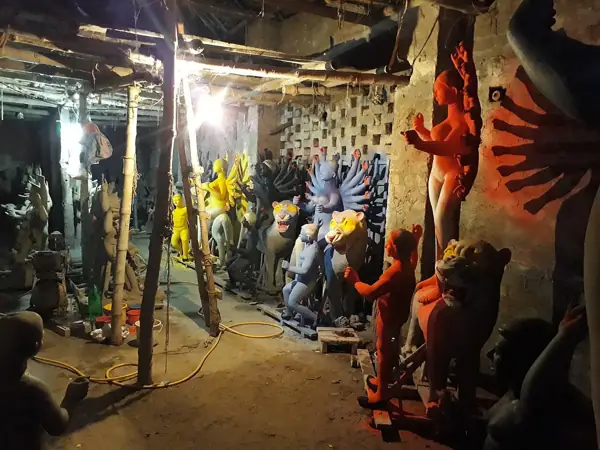
- Imported images. Many communities order images from Kumartuli, often in lightweight fibreglass or shola for shipping, and reuse them for several years. Immersion may be symbolic, for example immersing a small image or a sacred pot, where local rules limit river immersion.
- Priests and timings. Some pujas invite a priest from India for the season; local priests may adjust ritual timings to local time zones and to the hall's opening hours.
- Community and culture. Cultural programmes, children's performances, Bengali food and bhog, and the chance to speak Bengali with neighbours make these pujas a central event for families abroad.
Wherever you celebrate
The festival travels well because its heart is portable: the goddess's homecoming, the shared food, the music of the dhak and the farewell of Dashami. If there is no puja near you, our guide to Durga Puja at home and the samagri list explain how to mark the days yourself. And if you are coming to Kolkata, start with the Kolkata pandal guide and the 2026 dates.
Questions people ask
Is Durga Puja celebrated outside West Bengal?
Yes. It is a major festival in Assam, Tripura, Odisha, Bihar and Jharkhand, and Bengali communities hold pujas in almost every large Indian city. In other parts of India the same days are observed as Navratri and Dussehra.
Where is Durga Puja celebrated in Delhi?
Chittaranjan Park (CR Park) in south Delhi, a neighbourhood founded for families displaced from East Bengal, is the best-known centre, with several large pujas close together. There are also long-running Bengali pujas in other parts of Delhi and the NCR.
Is Durga Puja celebrated in Bangladesh?
Yes. Durga Puja is the largest festival of Bangladesh's Hindu community, with tens of thousands of pujas across the country, and Bijoya Dashami is a public holiday there. The Dhakeshwari temple in Dhaka is one of the best-known centres.
Why are Durga Pujas abroad held on weekends?
Most diaspora organisers are volunteers who work during the week and rent halls, schools or community centres. Many therefore hold the puja over the weekend nearest the traditional tithis (lunar days), while some keep the exact dates and hold the main rituals on weekday evenings.
Where do diaspora pujas get their Durga idols?
Many import images from Kumartuli in Kolkata, often made of lightweight fibreglass or shola so they survive shipping, and reuse them for several years. Others commission local artists or use framed pictures.
Read next
- Durga PujaKumartuli and the making of Durga idolsHow Kumartuli's potters make Durga idols: bamboo frame, straw, Ganga clay, punya mati, painting, shola, daker saaj, chokkhu daan on Mahalaya and visiting tips.
 NavratriNavratri 2026What Navratri means, when Sharad Navratri 2026 falls, its rituals (ghatasthapana, Navadurga, fasting, garba) and how it differs from Bengal's Durga Puja.
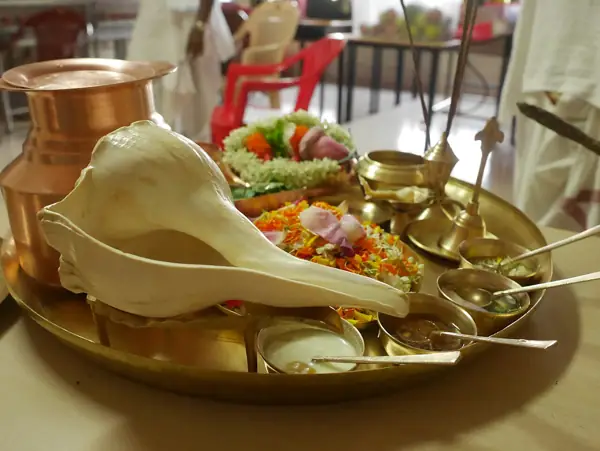 At home · 12 stepsHow to do Durga Puja at homeA simple, respectful way to do Durga Puja at home: setting up a ghat, sankalpa, offerings, aarti, Ashtami anjali and Dashami visarjan, with a supplies list.
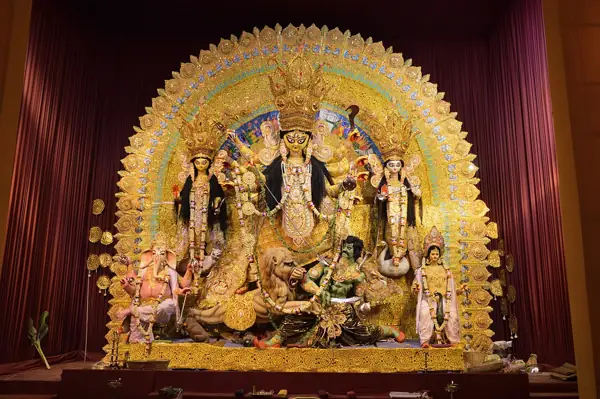 Durga PujaWhat is Durga Puja? The meaning behind the festivalWhat Durga Puja means: the Devi Mahatmya story of Mahishasura, Durga as Shakti, Uma's homecoming, Rama's akal bodhon and why the festival falls in autumn.