Chandi Path: reciting the Durga Saptashati
 Pujo Parikrama team5 min read · Updated
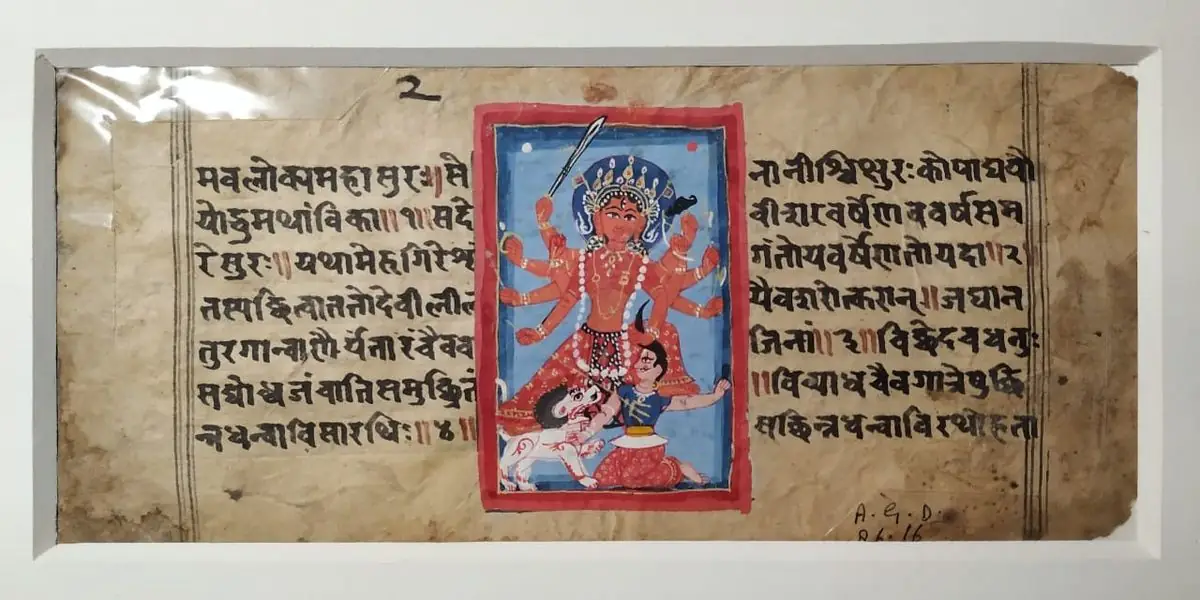
Chandi Path is the ritual recitation of the Devi Mahatmya, also called the Durga Saptashati or Chandi, a Sanskrit text of 700 verses in 13 chapters from the Markandeya Purana. It tells three episodes of the goddess defeating demons: Madhu and Kaitabha, Mahishasura, and Shumbha and Nishumbha. Priests recite it during Durga Puja and many families read it during Navratri, usually with companion hymns such as the Devi Kavacham, Argala Stotram and Kilakam before it; those who cannot read Sanskrit often listen to a recitation instead.
 ▶ Photo story · 8 pagesChandi Path: reciting the Durga Saptashati
In this article 6 sections
Chandi Path (path, reading or recitation) is the reading aloud of the Devi Mahatmya, the Glory of the Goddess, as an act of worship. The text is also called the Durga Saptashati (the seven hundred verses to Durga) or simply the Chandi, after one of the goddess's names. It is part of the Markandeya Purana, has 700 verses in 13 chapters, and is usually dated by scholars to around the middle of the first millennium CE. During Durga Puja a priest recites it in the pandal or the family thakur dalan (worship hall); during Navratri many households read it themselves.
The frame story
The Devi Mahatmya opens with a human story. King Suratha has lost his kingdom, and a merchant named Samadhi has been cast out by his greedy family. They meet in the forest hermitage of the sage Medhas and ask why they still feel attached to what has hurt them. The sage answers that this is the work of Mahamaya, the goddess's power of illusion, and tells them three stories of her greatness. At the end, the two men worship the goddess and receive what they wish for: the king his kingdom, the merchant spiritual knowledge.
The three episodes
| Episode | Chapters | Story | Presiding form |
|---|---|---|---|
| Prathama charitra (first) | 1 | Vishnu, roused from cosmic sleep by the goddess, slays the demons Madhu and Kaitabha | Mahakali |
| Madhyama charitra (middle) | 2 to 4 | The goddess, born of the gods' radiance, slays Mahishasura | Mahalakshmi |
| Uttama charitra (final) | 5 to 13 | The goddess defeats Shumbha and Nishumbha and their generals, including Chanda, Munda and Raktabija | Mahasaraswati |
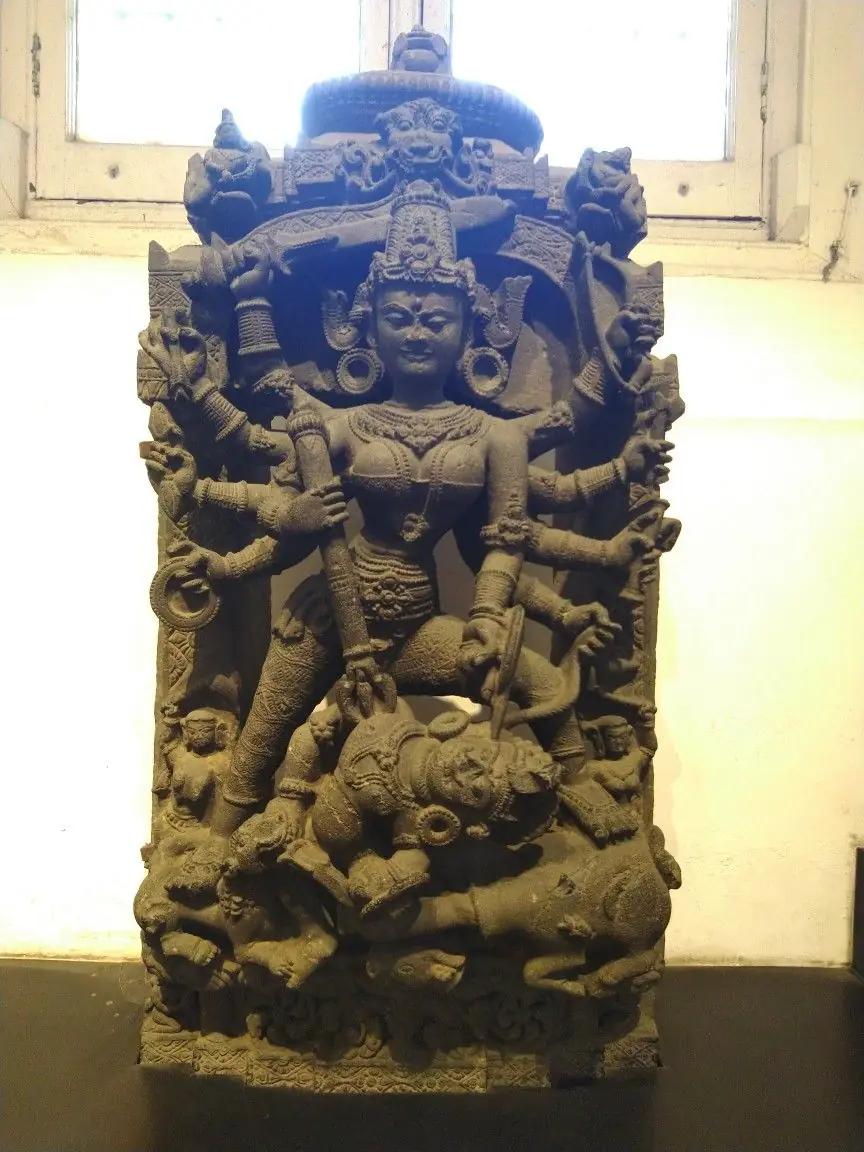
Each episode is associated in tradition with a form of the goddess, as in the last column, though all are understood as one supreme goddess. The middle episode is the one shown in the Durga Puja image; read it in full in our story of Mahishasura.
The third episode contains two of the most famous hymns: the Ya Devi Sarvabhuteshu litany in chapter 5, and the Narayani Stuti in chapter 11, source of the "Sarva mangala mangalye" verse said at pushpanjali. In chapter 7 the fearsome goddess Kali springs from the brow of the goddess to destroy Chanda and Munda, earning her the name Chamunda; see the ten Mahavidyas for more on Kali in Bengal.

The companion texts
A full Chandi Path is rarely the 13 chapters alone. Traditions add hymns before and after, which vary between regions and families, but a common sequence is:
Before the chapters (the angas, limbs):
- Devi Kavacham (the armour): a prayer asking the goddess's forms to protect each part of the body. It includes the well-known list of the nine Durgas, the Navadurga.
- Argala Stotram (the bolt): a hymn asking for victory, glory and the removal of enemies, with the refrain rupam dehi jayam dehi yasho dehi dvisho jahi. The anjali verse "Om jayanti mangala kali" comes from it.
- Kilakam (the pin or key): a short text said to "unlock" the benefit of the recitation.
Many readers also recite the Ratri Suktam and a nyasa and invocation before beginning, and some include the short Siddha Kunjika Stotram.
After the chapters:
- Devi Suktam: in many traditions the Vedic hymn of Rigveda 10.125, in which the goddess of speech declares herself the power behind all the gods.
- The three Rahasyas (secrets): short texts explaining the nature of the goddess's forms.
- A prayer for forgiveness (kshama prarthana) for any errors in the recitation.
Also readYa Devi SarvabhuteshuHow families read it during the puja
In Bengal, Chandi Path is part of the priest's duties on each main day of the puja, often done in parallel with the main worship by a second priest. In old family pujas the reading may be done in the thakur dalan each morning from Saptami to Navami. Families sometimes sponsor a full recitation as a vow (manot), for a wish or in thanks.
During Navratri, a common household practice is to read the whole text on each of the nine days, or to spread it across the days so that it is completed once. Some people read one charitra per day; others follow schemes taught in their family. There is no single correct pattern.
Respectful guidance for reading at home
These are general suggestions, not rules; your family priest's guidance comes first.
- Use a reliable edition. Choose a printed text with clear Sanskrit and, if helpful, a translation in your language.
- Prepare the space. Clean the area, light a lamp and incense, and place a picture or image of the goddess before you. Keep the book on a stand or a clean cloth rather than on the floor.
- Bathe and dress simply before you begin, and sit on a mat.
- Begin with a short prayer stating your intention (sankalpa). If you know the companion hymns, recite them first.
- Read clearly and steadily. It is better to read slowly and correctly than quickly. If you cannot finish in one sitting, finish a chapter or an episode before stopping.
- Close with the forgiveness prayer and an offering of flowers.
Seed-syllable mantras (bija mantras) and special vows are traditionally taken under a teacher's guidance. If you are unsure, simple reading with devotion is always appropriate.
Listening as an alternative
Not everyone can read Sanskrit, and many traditions value shravana, attentive listening, as a form of worship. Recordings by well-known reciters are widely available, and many Bengali homes play the Chandi on the radio on Mahalaya, through the Mahishasuramardini programme, which in 2026 airs on Saturday 10 October. Listening with a translation open beside you is a good way to learn the story. For simple home worship, see Durga Puja at home.
Questions people ask
What is Chandi Path?
Chandi Path is the recitation of the Devi Mahatmya, the 700-verse Sanskrit text in praise of the goddess also known as the Durga Saptashati or Chandi. It is read as worship during Durga Puja, Navratri and other occasions dedicated to the goddess.
How many chapters are in the Durga Saptashati?
Thirteen. Chapter 1 tells the slaying of Madhu and Kaitabha, chapters 2 to 4 the slaying of Mahishasura, and chapters 5 to 13 the defeat of Shumbha and Nishumbha and their generals.
Can I do Chandi Path at home?
Yes, many households do. Read from a reliable edition, in a clean space, with a lamp before an image or picture of the goddess, and keep a steady, respectful pace. Specific vows and mantra practices are best learned from a family priest or teacher.
How long does a full Chandi Path take?
It depends on the reader. Experienced reciters can complete the 13 chapters in roughly two to three hours; beginners may take longer, which is why some people spread it across several days.
Is listening to Chandi Path as good as reading it?
Many devotees and teachers regard attentive listening as a valid way to take part, especially for those who cannot read Sanskrit. In Bengal, listening to the Chandi on Mahalaya morning is itself a cherished tradition.
What is read before and after the Durga Saptashati?
Commonly the Devi Kavacham, Argala Stotram and Kilakam before the 13 chapters, and hymns such as the Devi Suktam and the Rahasya texts after them, closing with a prayer asking forgiveness for errors. The exact sequence varies by tradition.
Read next
- RitualsYa Devi SarvabhuteshuYa Devi Sarvabhuteshu verses from Devi Mahatmya chapter 5 in Devanagari and Bengali with transliteration and meaning, plus when they are recited at Durga Puja.
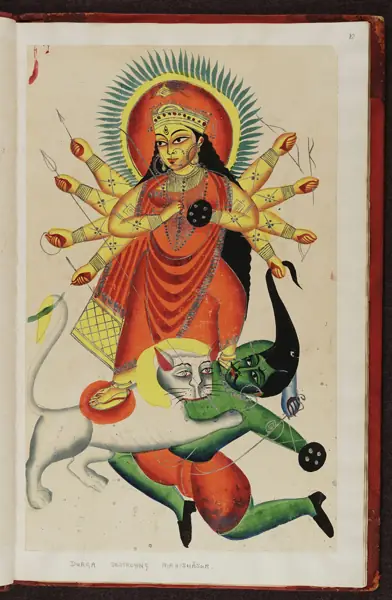 Durga PujaThe story of Durga and MahishasuraThe story of Durga slaying Mahishasura from the Devi Mahatmya: the gods' radiance, the gifts of weapons, the shape-shifting buffalo demon and what it all means.
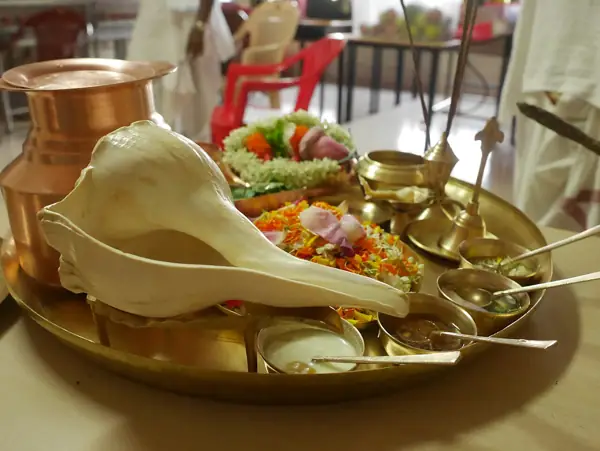 At home · 12 stepsHow to do Durga Puja at homeA simple, respectful way to do Durga Puja at home: setting up a ghat, sankalpa, offerings, aarti, Ashtami anjali and Dashami visarjan, with a supplies list.
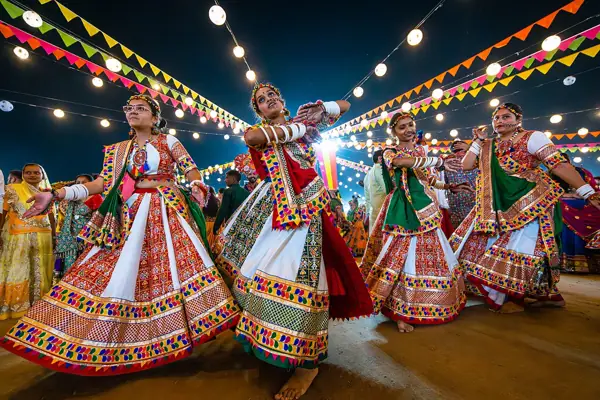 NavratriNavratri 2026What Navratri means, when Sharad Navratri 2026 falls, its rituals (ghatasthapana, Navadurga, fasting, garba) and how it differs from Bengal's Durga Puja.
 RitualsDurga Puja pushpanjali mantra, with meaningDurga Puja pushpanjali (anjali) mantras in Bengali and Devanagari with transliteration and meaning: Jayanti Mangala Kali, Sarva Mangala and how to offer.