Mahishasuramardini: the dawn radio programme of Mahalaya
 Pujo Parikrama team4 min read · Updated
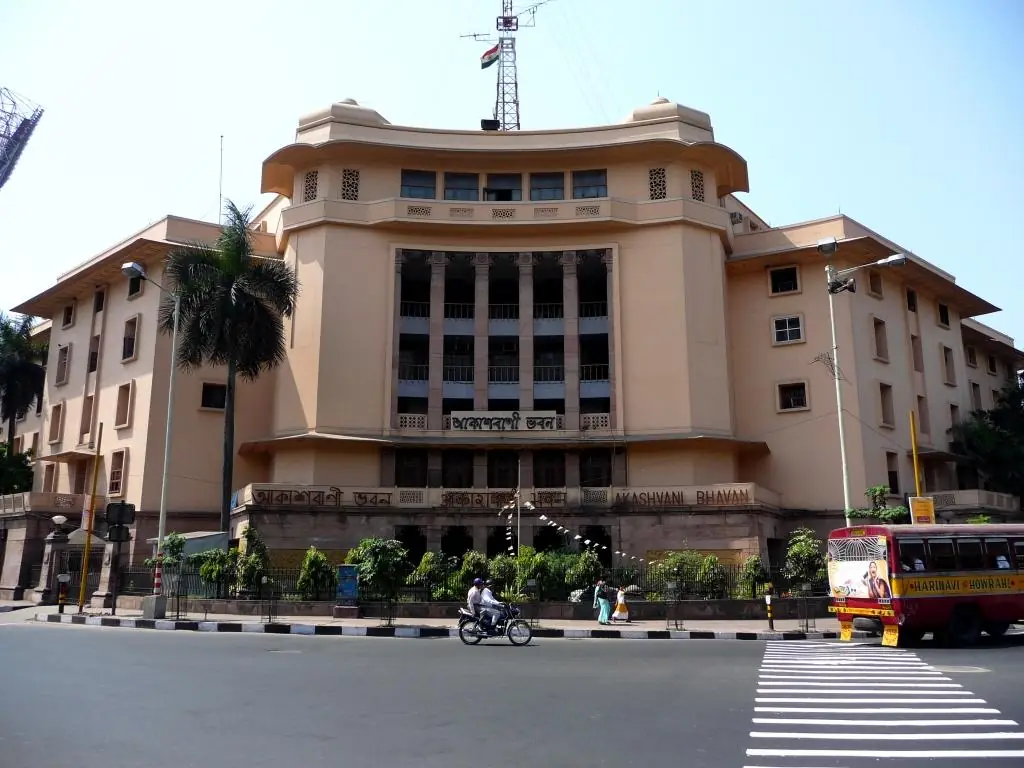
Mahishasuramardini is the Bengali radio programme broadcast at dawn on Mahalaya, about a week before Durga Puja, first aired from Calcutta in the early 1930s (usually dated to 1931 or 1932) and carried by All India Radio ever since. It combines Birendra Krishna Bhadra's recitation of Sanskrit verses from the Chandi and Bengali narration with songs set to music by Pankaj Kumar Mullick and a script by Bani Kumar. For millions of Bengalis, waking before dawn to hear it is the moment Pujo truly begins; in 2026 Mahalaya falls on Saturday 10 October.
 ▶ Photo story · 7 pagesMahishasuramardini: the dawn radio programme of Mahalaya
In this article 5 sections
Mahishasuramardini ("the slayer of Mahishasura") is the radio programme that Bengalis wake up for in the dark on the morning of Mahalaya. For roughly an hour and a half before dawn, it weaves together Sanskrit verses from the Chandi (the Devi Mahatmya), Bengali narration and devotional songs, telling how the gods created Durga and how she defeated the buffalo demon. It was first broadcast from Calcutta in the early 1930s (most accounts give 1931 or 1932) and has been aired on Mahalaya almost every year since. In 2026, Mahalaya is on Saturday 10 October.
What the programme is
Mahishasuramardini is part recitation, part musical drama. Its three creators are always named together:
- Birendra Krishna Bhadra, the broadcaster whose deep, trembling voice recites the Sanskrit verses and narrates the story in Bengali. Many listeners say Mahalaya does not feel like Mahalaya without him.
- Pankaj Kumar Mullick, who composed the music, setting the songs and hymns that run between the recitations.
- Bani Kumar, who wrote the script, arranging the Chandi's episodes into a narrative for radio.
The songs were sung by a group of leading Bengali singers of the period, and the programme opens with conch, chorus and the famous lines of Bhadra announcing the dawn of the autumn month of Ashwin and the coming of the goddess.
The verses
The best-known recited passage is the hymn from the Chandi that salutes the goddess as present in all beings:
या देवी सर्वभूतेषु शक्तिरूपेण संस्थिता।
नमस्तस्यै नमस्तस्यै नमस्तस्यै नमो नमः॥Ya Devi sarvabhuteshu shaktirupena samsthita,
Namastasyai namastasyai namastasyai namo namah.To the goddess who dwells in all beings in the form of power: salutations to her, salutations to her, salutations again and again.
The same verse pattern repeats for the goddess in many forms, as mother, as intelligence, as compassion, as peace, building into one of the most moving parts of the broadcast.

A short history
The programme began in the early years of radio in Calcutta, when the station was run by the Indian Broadcasting Company, before it became All India Radio. Early broadcasts are described as live performances, with the artists gathering at the studio before dawn. Later, a recorded version was adopted, and that recording, with Bhadra's voice, is what All India Radio has broadcast for decades.
Its success turned a quiet day of remembering ancestors into a shared cultural ritual. Families gathered around a single radio set, neighbours turned up the volume, and children who did not follow the Sanskrit still remember the sound of it.
The 1976 replacement
The best-known episode in the programme's history came in 1976. According to widely reported accounts, All India Radio replaced Mahishasuramardini that year with a new Mahalaya programme featuring Uttam Kumar, the most celebrated Bengali film star of his time. The change provoked strong public protest from listeners, and the original programme was restored. The episode is often retold to show that Bhadra's Mahishasuramardini had become something people felt they owned. Details of how and when it was restored vary between accounts.
 Also readMahalaya
How people listen today
Listening has changed shape, but the habit has not:
- Radio. Many households still switch on a radio before dawn, tuned to All India Radio's Kolkata station. Old radio sets come out of cupboards just for this morning.
- Streaming. AIR's live broadcast can usually be heard online through its official website and app, which lets Bengalis around the world listen at the same moment.
- Recordings. The programme has been released on records, cassettes and CDs, and is widely available on music streaming services, so many people now play it whenever they like.
- Television. Bengali TV channels broadcast their own dramatised Mahalaya programmes, often depicting the goddess's battle with dancers and actors. These are separate productions and sit alongside the radio tradition rather than replacing it.
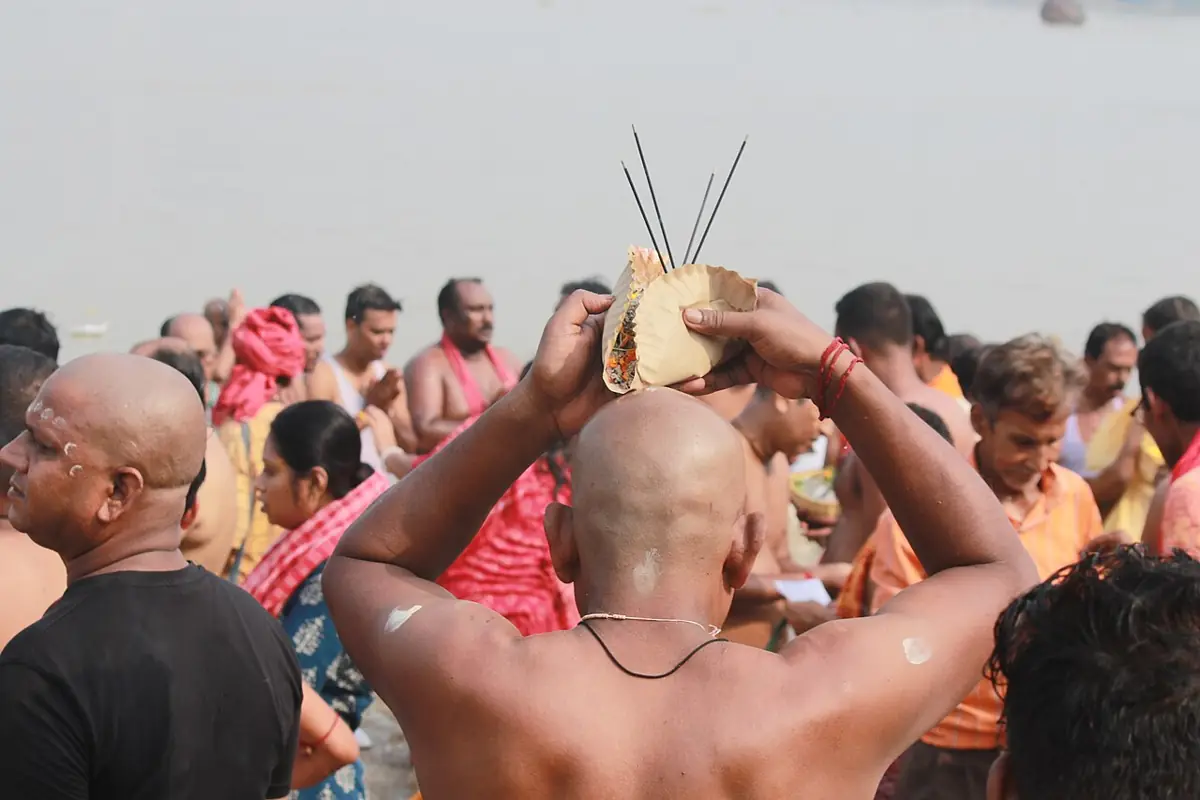
After listening, many people go to the river ghats to perform tarpan, offering water to their ancestors, since Mahalaya also marks the end of Pitri Paksha (the fortnight of the ancestors). In Kumartuli, artisans traditionally paint the goddess's eyes around this time, a ritual called chokkhu daan; read more about Kumartuli idol-making.
Why it matters
Mahishasuramardini is the sound that opens the puja season in Bengal, much as the dhak is the sound of the puja days themselves. It turns a sacred Sanskrit text into something everyone can share at home, across ages and backgrounds. For many people it carries memories of parents and grandparents, and of childhood mornings when the house woke up together in the dark.
Planning around Mahalaya 2026
- Mahalaya falls on Saturday 10 October 2026; Shashthi, the first main puja day, is on Saturday 17 October. See all 2026 dates.
- Set an alarm well before dawn and check AIR Kolkata's announced broadcast time.
- If you are in Kolkata, the ghats along the Hooghly are crowded with people doing tarpan after daybreak.
To learn the words you'll hear, browse our Durga Puja glossary, and read about the goddess the programme celebrates on the Goddess Durga page.
Questions people ask
What time is Mahishasuramardini broadcast on Mahalaya?
It is traditionally broadcast before dawn, at around 4 am, on the morning of Mahalaya. Check All India Radio's Kolkata station schedule for the exact time in 2026; Mahalaya falls on Saturday 10 October 2026.
Who recites Mahishasuramardini?
The recitation and narration are by Birendra Krishna Bhadra, the Kolkata radio broadcaster whose voice became inseparable from Mahalaya. The recording still broadcast today is his.
Who composed the music of Mahishasuramardini?
The music was composed by Pankaj Kumar Mullick, and the script was written by Bani Kumar. Several well-known singers of the time sang the songs.
What happened in 1976 with Mahishasuramardini?
According to widely reported accounts, All India Radio replaced the programme on Mahalaya in 1976 with a new production featuring the film star Uttam Kumar. Listeners reacted with strong protest, and the original was brought back, a story often retold as proof of how deeply Bengal is attached to it.
Where can I listen to Mahishasuramardini online?
All India Radio broadcasts it on Mahalaya morning, and the broadcast can usually be heard through AIR's official streaming on the web and its app. The recording is also widely available on music streaming platforms and has been released on records, cassettes and CDs.
Read next
- RitualsMahalayaMahalaya 2026 is on Saturday 10 October. What it means: the end of Pitri Paksha, tarpan at the Ganga ghats, the pre-dawn Mahishasuramardini and chokkhu daan.
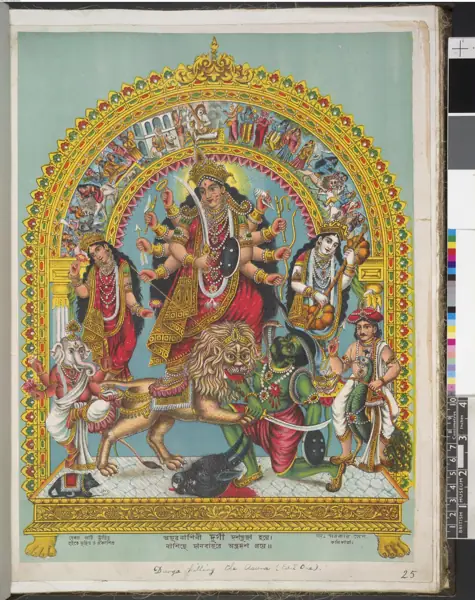 Durga PujaGoddess Durga and her familyHow to read a Durga Puja image: Durga's ten arms and weapons, the lion, Mahishasura, Lakshmi, Saraswati, Ganesha, Kartik, their vahanas, ekchala and daker saaj.
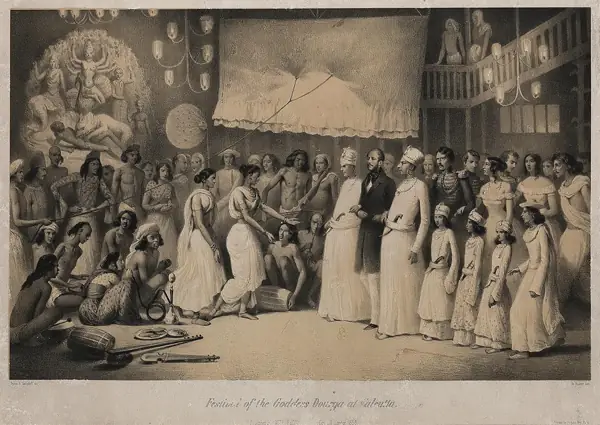 Durga PujaThe history of Durga Puja in BengalHow Durga Puja grew from zamindari and rajbari pujas to barowari and sarbojanin community festivals, theme pandals and UNESCO heritage status in Kolkata.
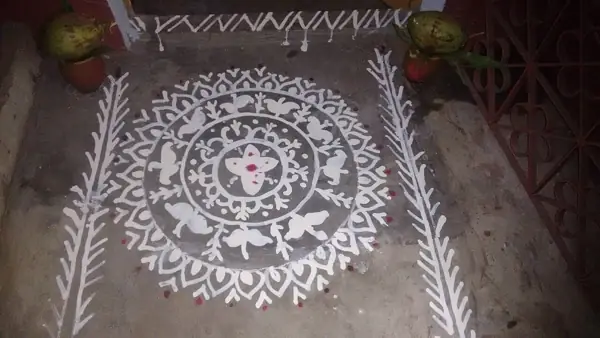 CultureDurga Puja glossaryA Durga Puja glossary: 58 Bengali and Sanskrit words explained, from anjali, bodhon and dhunuchi to sindoor khela, daker saaj, bonedi bari and thakur dekha.
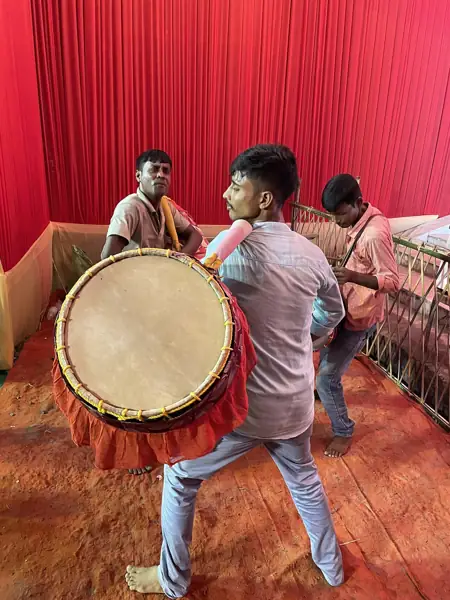 CultureDhak and dhakiThe dhak is the plumed barrel drum of Durga Puja and the dhaki its player: how it is played, where dhakis come from, its rhythms and the kashor gong.