Ya Devi Sarvabhuteshu: the verses and their meaning
 Pujo Parikrama team5 min read · Updated
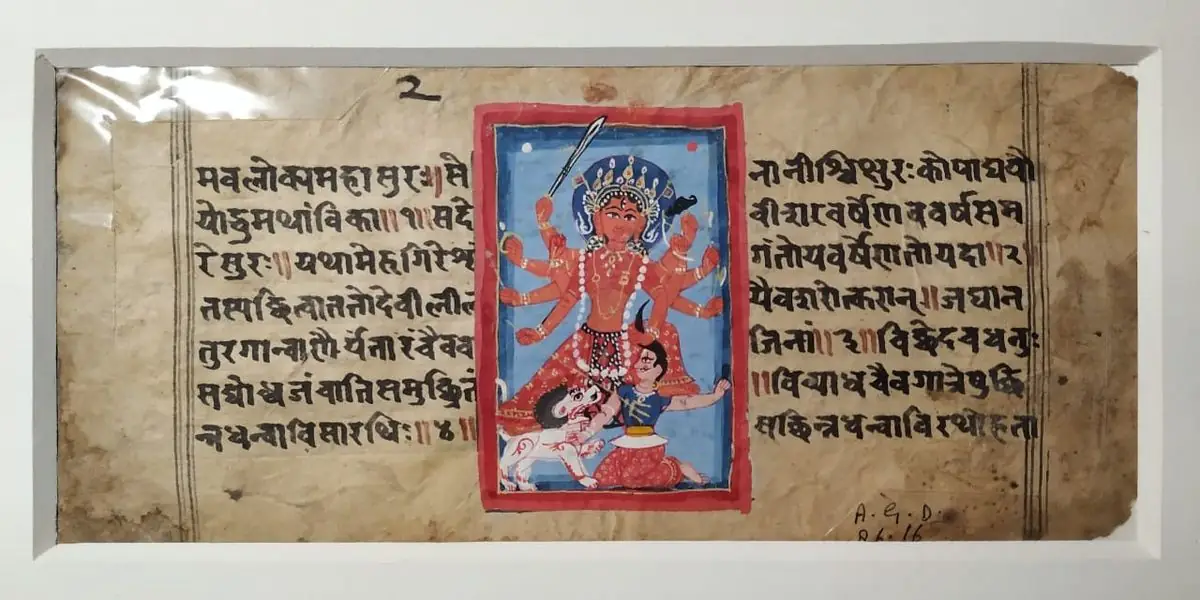
"Ya Devi Sarvabhuteshu" is the refrain of a hymn in chapter 5 of the Devi Mahatmya (Chandi), often called the Aparajita Stuti, in which the gods salute the goddess as present in all beings in the form of power, intelligence, peace, prosperity, motherhood and many other qualities. Each verse names one form and ends with the triple salutation "namastasyai namastasyai namastasyai namo namah". It is recited during Chandi path at Durga Puja and Navratri and is among the best-loved passages heard in the Mahalaya dawn broadcast in Bengal.
 ▶ Photo story · 7 pagesYa Devi Sarvabhuteshu: the verses and their meaning
In this article 6 sections
"Ya Devi Sarvabhuteshu" (the Goddess who, in all beings...) opens each verse of one of the most loved hymns in Hinduism. It comes from chapter 5 of the Devi Mahatmya, the 700-verse text recited as the Chandi during Durga Puja, and is often called the Aparajita Stuti, the hymn to the Invincible One. In it the gods salute the goddess as the power present in every living thing: as consciousness, intelligence, sleep, hunger, power, peace, prosperity, mother, and more. If you have heard the Mahalaya dawn broadcast or a Chandi path, you have heard its refrain.
The setting in the Devi Mahatmya
Chapter 5 opens the third and longest episode of the Devi Mahatmya. Two demon brothers, Shumbha and Nishumbha, have seized the realms of the gods. Remembering the goddess's promise, made after she killed Mahishasura, that she would come whenever they called, the gods go to the Himalaya and praise her. Their hymn begins with a general salutation:
नमो देव्यै महादेव्यै शिवायै सततं नमः।
नमः प्रकृत्यै भद्रायै नियताः प्रणताः स्म ताम्॥
Namo devyai mahadevyai shivayai satatam namah, namah prakrityai bhadrayai niyatah pranatah sma tam.
Meaning: "Salutations to the Goddess, the great Goddess, to the auspicious one, salutations always. Salutations to Prakriti (nature), to the gracious one; with minds controlled, we bow to her."
After several more verses of praise, the hymn turns into its famous litany.
The structure of each verse
Every verse in the litany has the same frame, with one word changing:
या देवी सर्वभूतेषु [form]रूपेण संस्थिता।
नमस्तस्यै नमस्तस्यै नमस्तस्यै नमो नमः॥
Ya devi sarvabhuteshu [form]-rupena samsthita, namastasyai namastasyai namastasyai namo namah.
Word by word: ya devi, the Goddess who; sarva-bhuteshu, in all beings; rupena, in the form of; samsthita, is established or dwells; namah tasyai, salutation to her; namo namah, salutations again and again.
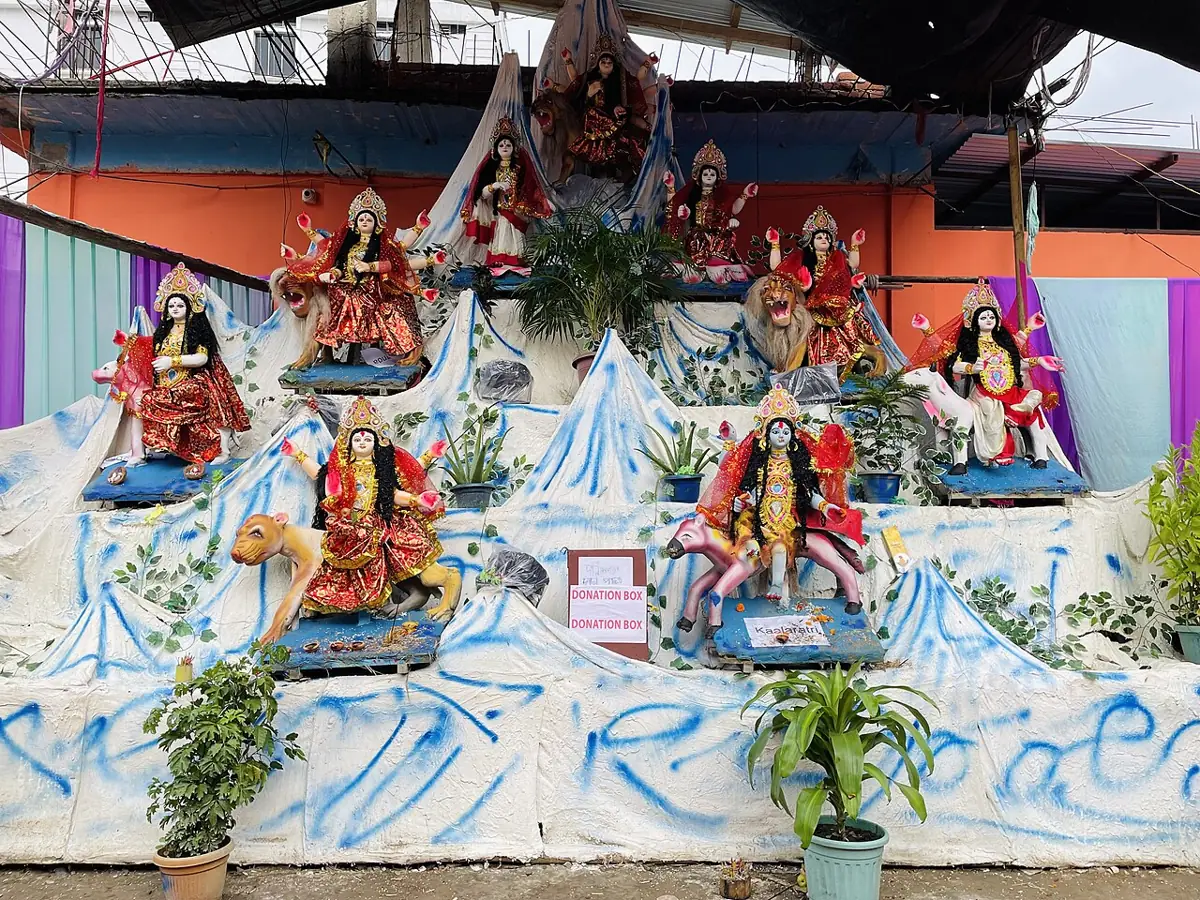
So each verse says: the goddess lives in every being as this quality, and to her we bow three times and more. The point is theological. The goddess is not only a warrior on a lion; she is the power in your own mind and body, in hunger as much as in wisdom, in delusion as much as in peace.

The most-recited verses
These are the verses most often sung on their own, at pujas, in schools and in devotional recordings. Each is given in Devanagari, then in Bengali script as read in Bengal, then transliterated and translated.
Shakti: power
या देवी सर्वभूतेषु शक्तिरूपेण संस्थिता। नमस्तस्यै नमस्तस्यै नमस्तस्यै नमो नमः॥
যা দেবী সর্বভূতেষু শক্তিরূপেণ সংস্থিতা। নমস্তস্যৈ নমস্তস্যৈ নমস্তস্যৈ নমো নমঃ॥
Ya devi sarvabhuteshu shakti-rupena samsthita, namastasyai namastasyai namastasyai namo namah.
Meaning: "To the Goddess who dwells in all beings in the form of power: salutations to her, salutations to her, salutations to her, salutations again and again."
Buddhi: intelligence
या देवी सर्वभूतेषु बुद्धिरूपेण संस्थिता। नमस्तस्यै नमस्तस्यै नमस्तस्यै नमो नमः॥
Ya devi sarvabhuteshu buddhi-rupena samsthita, namastasyai namastasyai namastasyai namo namah.
Meaning: "To the Goddess who dwells in all beings in the form of intelligence: salutations to her, again and again."
Shanti: peace
या देवी सर्वभूतेषु शान्तिरूपेण संस्थिता। नमस्तस्यै नमस्तस्यै नमस्तस्यै नमो नमः॥
Ya devi sarvabhuteshu shanti-rupena samsthita, namastasyai namastasyai namastasyai namo namah.
Meaning: "To the Goddess who dwells in all beings in the form of peace: salutations to her, again and again."
Lakshmi: prosperity
या देवी सर्वभूतेषु लक्ष्मीरूपेण संस्थिता। नमस्तस्यै नमस्तस्यै नमस्तस्यै नमो नमः॥
Ya devi sarvabhuteshu lakshmi-rupena samsthita, namastasyai namastasyai namastasyai namo namah.
Meaning: "To the Goddess who dwells in all beings in the form of good fortune and prosperity: salutations to her, again and again."
Matri: mother
या देवी सर्वभूतेषु मातृरूपेण संस्थिता। नमस्तस्यै नमस्तस्यै नमस्तस्यै नमो नमः॥
যা দেবী সর্বভূতেষু মাতৃরূপেণ সংস্থিতা। নমস্তস্যৈ নমস্তস্যৈ নমস্তস্যৈ নমো নমঃ॥
Ya devi sarvabhuteshu matri-rupena samsthita, namastasyai namastasyai namastasyai namo namah.
Meaning: "To the Goddess who dwells in all beings in the form of the mother: salutations to her, again and again."
Chiti: consciousness pervading the world
The litany ends with verses that widen the view. One of them, often recited as the close:
चितिरूपेण या कृत्स्नमेतद्व्याप्य स्थिता जगत्। नमस्तस्यै नमस्तस्यै नमस्तस्यै नमो नमः॥
Chiti-rupena ya kritsnam etad vyapya sthita jagat, namastasyai namastasyai namastasyai namo namah.
Meaning: "To her who, as consciousness, pervades and abides in this whole world: salutations to her, again and again."
Also readChandi PathAll the forms in the hymn
In the order usually printed, the litany names the goddess in all beings as:
| Sanskrit | Meaning |
|---|---|
| Vishnumaya | the power of illusion of Vishnu (the first verse says she is "called" Vishnumaya) |
| Chetana | consciousness (she "is known as" consciousness) |
| Buddhi | intelligence |
| Nidra | sleep |
| Kshudha | hunger |
| Chhaya | shadow, reflection |
| Shakti | power |
| Trishna | thirst, desire |
| Kshanti | forbearance |
| Jati | birth, kind |
| Lajja | modesty |
| Shanti | peace |
| Shraddha | faith |
| Kanti | beauty, radiance |
| Lakshmi | prosperity |
| Vritti | activity, livelihood |
| Smriti | memory |
| Daya | compassion |
| Tushti | contentment |
| Matri | mother |
| Bhranti | delusion, error |
The first two verses use slightly different wording (vishnumayeti shabdita, chetanetyabhidhiyate) instead of rupena samsthita. Editions differ in how they number these lines, so you will find different verse numbers in different books.
When it is recited
- Chandi path. The hymn is part of the full recitation of the Devi Mahatmya done by priests during Durga Puja and by many families during Navratri. See Chandi path.
- Mahalaya dawn. In Bengal, the verses are among the Sanskrit passages most associated with the Mahishasuramardini radio programme heard before sunrise on Mahalaya. In 2026 Mahalaya falls on Saturday 10 October.
- Pujas and prayer. Individual verses, especially the shakti, matri and shanti verses, are sung at the end of puja, in prayer meetings, in schools and in dance performances during the festival, often in a simple chanting tune.
- Daily practice. Many devotees recite a few verses daily, particularly during Navratri.
Tips for reciting
- Learn the refrain first; once you have namastasyai namastasyai namastasyai namo namah, only one word changes each time.
- Pronounce samsthita with a clear "s-th", and namastasyai as na-mas-tas-yai.
- If you are reciting the full hymn, recite it from a reliable printed edition of the Devi Mahatmya, as the full litany is long and memory errors creep in.
For the flower-offering verses said on Ashtami, see the pushpanjali mantra.
Questions people ask
Where does Ya Devi Sarvabhuteshu come from?
It is from chapter 5 of the Devi Mahatmya, the text also called the Durga Saptashati or Chandi, part of the Markandeya Purana. The gods sing it when they go to the Himalaya to pray to the goddess for help against the demons Shumbha and Nishumbha.
What does Ya Devi Sarvabhuteshu Shakti Rupena Samsthita mean?
It means: to the Goddess who dwells in all beings in the form of power, salutations to her, salutations to her, salutations to her, salutations again and again.
Why is namastasyai said three times?
The repetition is part of the original text. Commentators and teachers often explain the three salutations as offered with body, speech and mind, or to the goddess in her gross, subtle and causal forms; these are interpretations rather than statements in the text.
How many Ya Devi verses are there?
The hymn names about twenty-one forms of the goddess, from Vishnumaya to bhranti (delusion), followed by closing verses. Editions number the lines differently, so verse numbers vary between printed books.
Can anyone recite Ya Devi Sarvabhuteshu?
Yes. It is a hymn of praise, widely sung and recited by devotees at home, in temples and at pujas, and needs no initiation. Reciting it with understanding of the meaning is generally encouraged.
Read next
- RitualsChandi PathChandi Path explained: the Durga Saptashati's 700 verses in 13 chapters, its three episodes, Kavacham, Argala and Kilakam, and how to read or listen at home.
 RitualsDurga Puja pushpanjali mantra, with meaningDurga Puja pushpanjali (anjali) mantras in Bengali and Devanagari with transliteration and meaning: Jayanti Mangala Kali, Sarva Mangala and how to offer.
 CultureMahishasuramardiniMahishasuramardini, the Mahalaya dawn broadcast on All India Radio: Birendra Krishna Bhadra's Chandi recitation, Pankaj Kumar Mullick's music, how to listen.
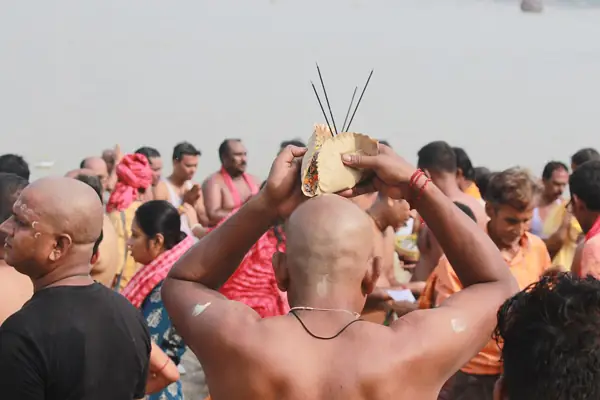 RitualsMahalayaMahalaya 2026 is on Saturday 10 October. What it means: the end of Pitri Paksha, tarpan at the Ganga ghats, the pre-dawn Mahishasuramardini and chokkhu daan.