Durga Puja and UNESCO: Kolkata's living heritage
 Pujo Parikrama team4 min read · Updated
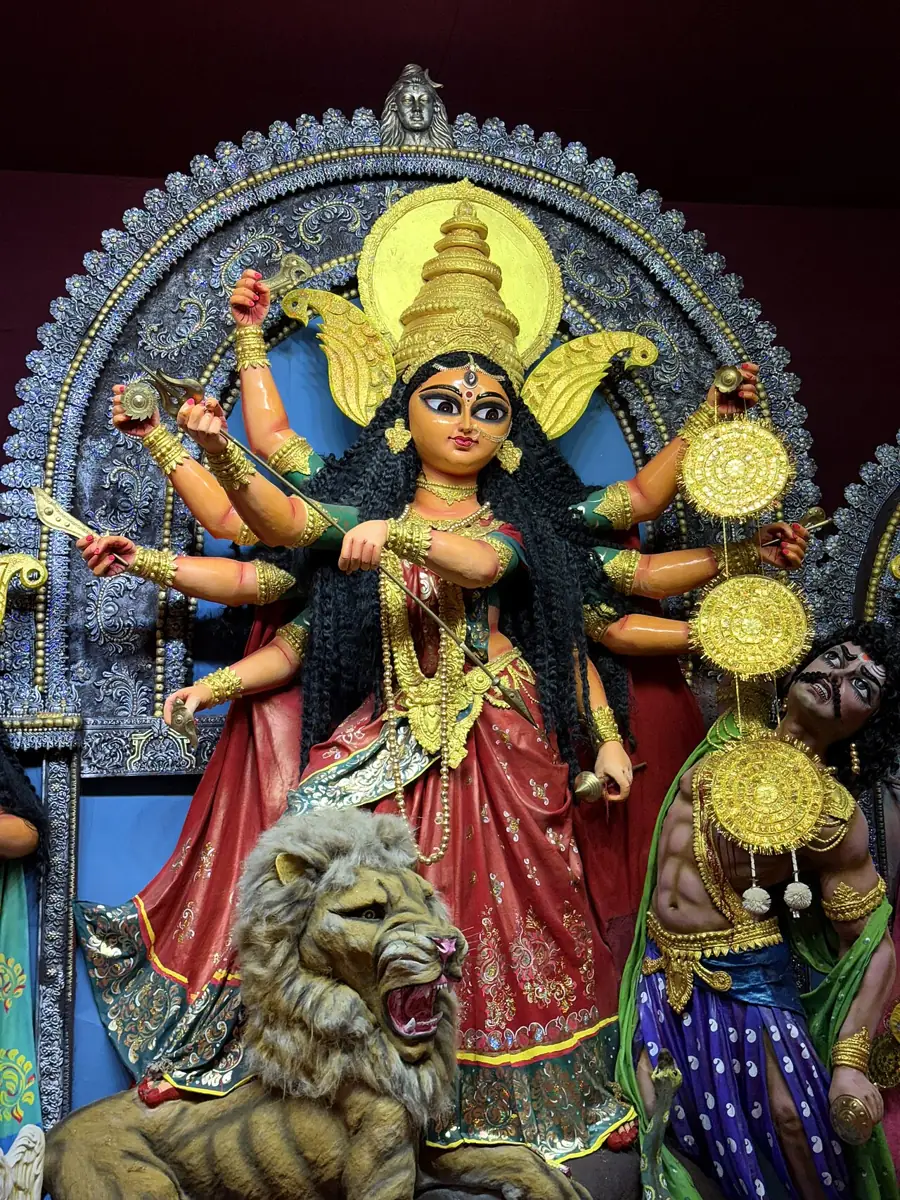
In December 2021 UNESCO inscribed "Durga Puja in Kolkata" on the Representative List of the Intangible Cultural Heritage of Humanity, following a nomination by India. The listing recognises the festival as a living tradition: not a building or object, but the shared practice of craft, ritual, art, music and community that brings together people across religion, caste and class. It carries no legal protection or funding by itself; its value lies in recognition, visibility and a commitment to keep the tradition alive.
 ▶ Photo story · 7 pagesDurga Puja and UNESCO: Kolkata's living heritage
In this article 5 sections
In December 2021, UNESCO inscribed "Durga Puja in Kolkata" on its Representative List of the Intangible Cultural Heritage of Humanity. The decision was taken at the annual session of the intergovernmental committee that oversees UNESCO's 2003 Convention for the Safeguarding of the Intangible Cultural Heritage, on a nomination submitted by India. It placed Kolkata's festival alongside other living traditions from around the world, and it was celebrated in the city as international recognition of something Bengalis had long regarded as their greatest public occasion.
What "intangible cultural heritage" means
UNESCO runs two quite different heritage programmes, and they are often confused.
- World Heritage (the 1972 Convention) covers places: monuments, buildings and natural sites such as the Sundarbans.
- Intangible Cultural Heritage (the 2003 Convention) covers living practices: oral traditions, performing arts, rituals and festivals, knowledge and craft skills that communities pass from one generation to the next.
Durga Puja belongs to the second. What is recognised is not a pandal or an image, which are made each year and then dismantled or immersed, but the practice itself: the knowledge of the image-makers, the rituals, the music and the way neighbourhoods organise and share the festival.
The Representative List is meant to raise awareness of the diversity of living heritage. Unlike the separate list of heritage in need of urgent safeguarding, it does not imply the tradition is in danger.

Why Durga Puja in Kolkata
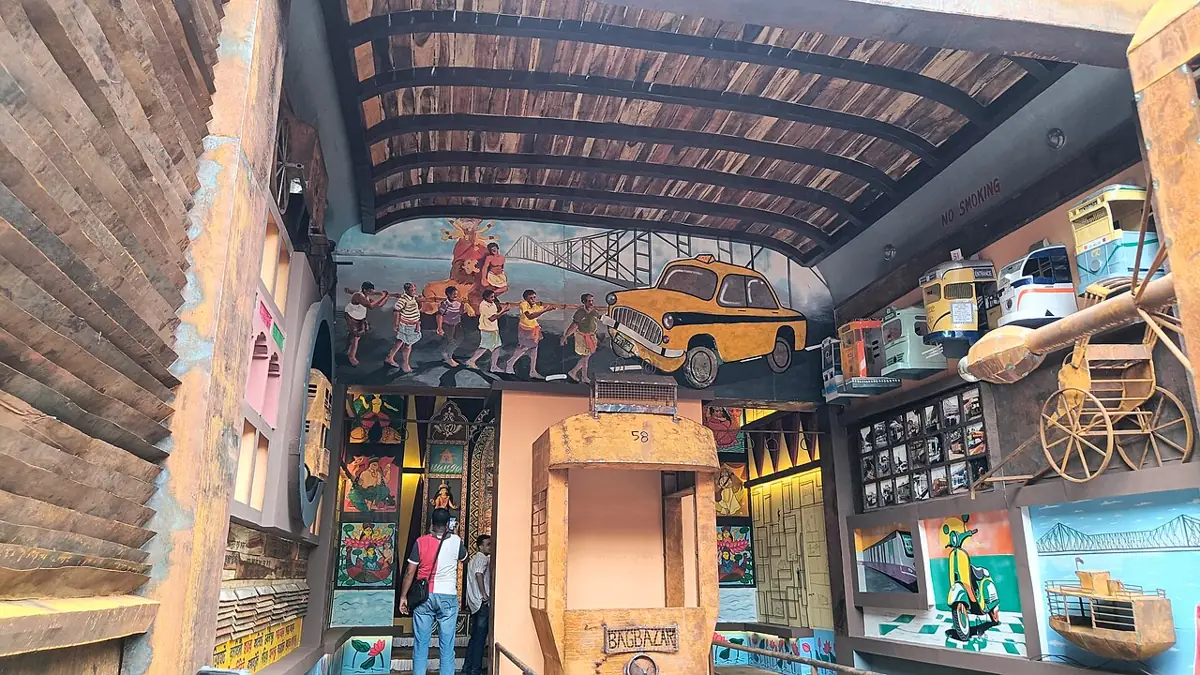
UNESCO's description of the element, on its official page, presents Durga Puja as a festival that combines religious worship with public art and performance on a huge scale. Read alongside the nomination, several reasons stand out.
A community-made festival
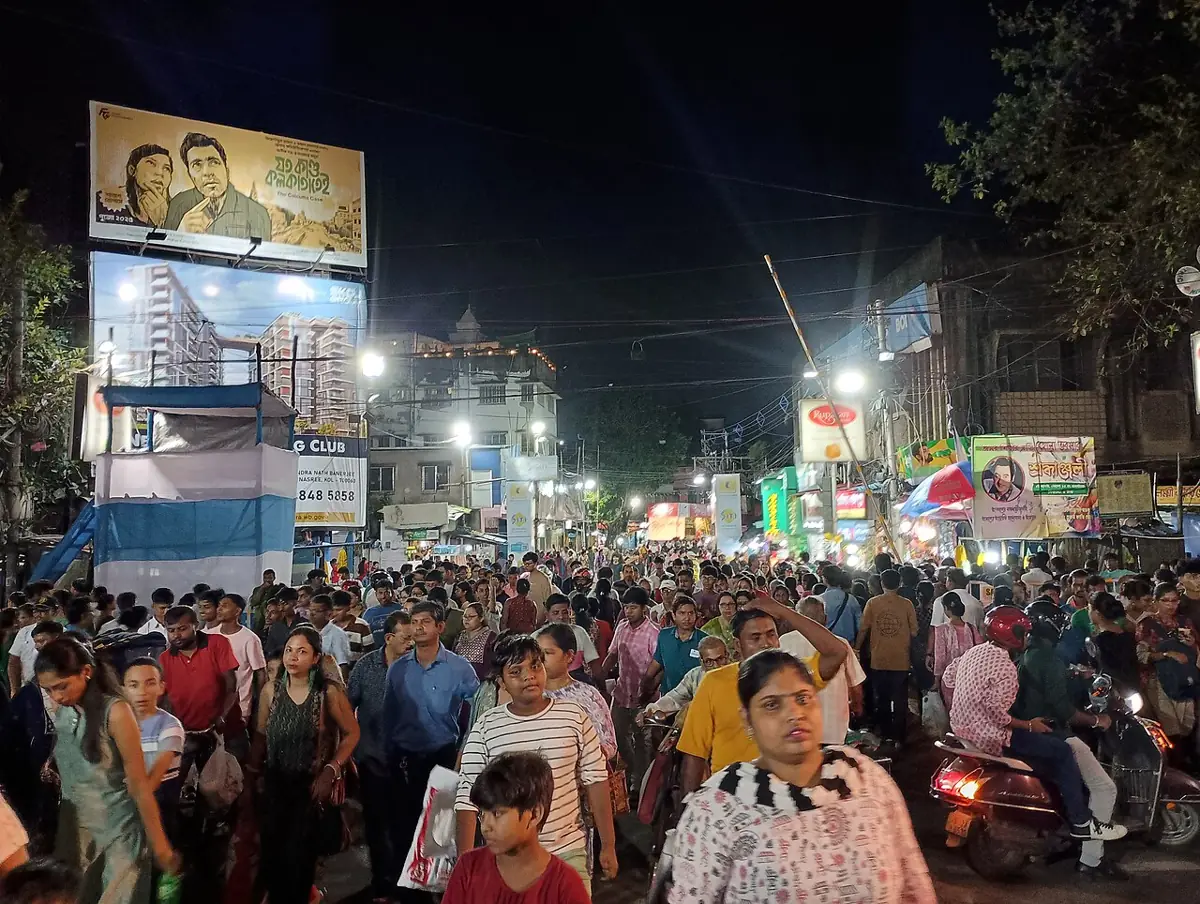
Kolkata's pujas are overwhelmingly organised by neighbourhood committees, the sarbojanin (for everyone) pujas described in our history of Durga Puja. Residents raise funds, plan themes, cook, keep order and volunteer through the nights. The festival is created by the people who celebrate it, which is exactly the kind of community ownership the 2003 Convention is designed to recognise.
A festival of art and craft
The festival sustains an entire economy of traditional and contemporary skills: the image-makers of Kumartuli, the shola and daker saaj ornament makers, pandal builders, painters, lighting artists, dhak drummers, priests, cooks and many more. Theme pandals have turned parts of the city into an open-air exhibition where established artists and young designers show work to millions of visitors.
An inclusive public space
Although Durga Puja is a Hindu festival, its public pandals are open to anyone. People of other faiths and of none walk the streets, visit pandals, work on them and share the food and music. The festival's ability to bring together people across religion, caste, class and gender was central to how it was presented to UNESCO.

What the listing does, and does not, do
An inscription is a form of recognition, not a law. It does not:
- give UNESCO any control over how the festival is held;
- protect a particular style of image or ritual from change;
- bring regular funding by itself.
It does:
- put the festival on an international list that raises its profile with travellers, researchers and the media;
- commit the nominating state to safeguarding measures, and to reporting periodically on how the tradition is faring;
- give communities and artisans a stronger voice when they ask for support.
Living heritage is expected to change. A theme pandal made of recycled materials is as much a part of the tradition UNESCO recognised as an ekchala image in an old family courtyard.
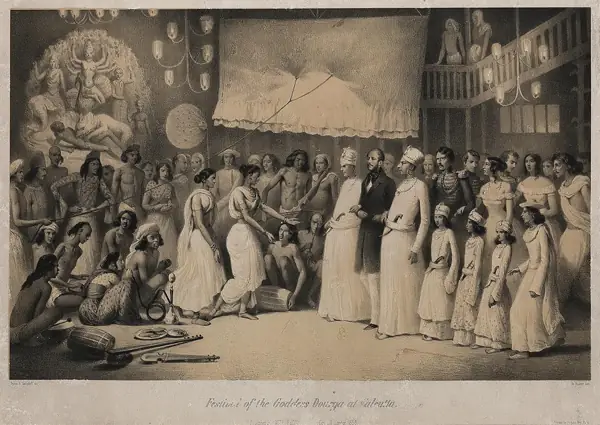 Also readThe history of Durga Puja in Bengal
What changed after 2021
The most visible change was a burst of civic pride. Kolkata marked the recognition with public celebrations, including a large procession in 2022, and the listing began to appear in tourism campaigns, on puja banners and in press coverage abroad. Interest from foreign visitors, photographers and researchers grew, and more organised heritage walks and puja tours appeared in north Kolkata.
The listing also sharpened long-running questions: how to keep the artisans of Kumartuli and the ornament and drum traditions economically viable, how to reduce the environmental impact of immersion, paint and lighting, and how to manage crowd safety as the festival keeps growing. These are not new problems, but heritage status gave them a wider audience.
Experiencing the heritage yourself
The best way to understand what UNESCO recognised is to see the whole chain, from workshop to pandal to immersion.
- Visit Kumartuli in the weeks before the festival, when the images are being finished; in 2026, chokkhu daan, the painting of the eyes, is traditionally around Mahalaya on Saturday 10 October.
- Walk the North Kolkata heritage trail to see traditional pujas such as Bagbazar and Kumartuli Park.
- Spend an evening among the theme pandals of central and south Kolkata, for example on the central Kolkata trail that includes College Square.
- Join a morning pushpanjali on Maha Ashtami (Monday 19 October 2026), and watch the farewell rituals of Bijoya Dashami on Wednesday 21 October 2026.
Our pandal hopping tips and the Kolkata guide will help you plan the route.
See it in Kolkata
- 📍 Kumartuli Park SarbojaninNext door to the idol-makers' quarter. Expect bold, artistic themes every year.
- 📍 Bagbazar SarbojaninOne of the oldest sarbojanin pujas. Traditional daker saaj idol, plus a riverside fair.
- 📍 College Square SarbojaninThe lighting reflected on the College Square pond is iconic at night.
Questions people ask
When did Durga Puja get UNESCO heritage status?
Durga Puja in Kolkata was inscribed on UNESCO's Representative List of the Intangible Cultural Heritage of Humanity in December 2021, at the annual session of UNESCO's intergovernmental committee for intangible heritage.
Is Durga Puja a UNESCO World Heritage Site?
No. World Heritage Sites are places and monuments. Durga Puja is on a different list, the Representative List of the Intangible Cultural Heritage of Humanity, which recognises living practices such as festivals, crafts and performing arts.
Why did UNESCO recognise Durga Puja in Kolkata?
Because it is a large, living, community-led tradition that combines religious ritual with public art, craft and performance, involves thousands of artisans and volunteers, and welcomes people of every background.
Does the UNESCO listing cover all Durga Pujas?
The inscription is specifically for Durga Puja in Kolkata. The festival is celebrated far more widely, in Bengal, across India and abroad, but the element UNESCO listed is the Kolkata tradition.
What changed after the UNESCO listing?
The festival gained international attention and a new sense of civic pride, with tourism promotion and heritage events built around it. The listing also places a responsibility on India to safeguard the tradition, including the livelihoods of the artisans behind it.
Read next
- Durga PujaThe history of Durga Puja in BengalHow Durga Puja grew from zamindari and rajbari pujas to barowari and sarbojanin community festivals, theme pandals and UNESCO heritage status in Kolkata.
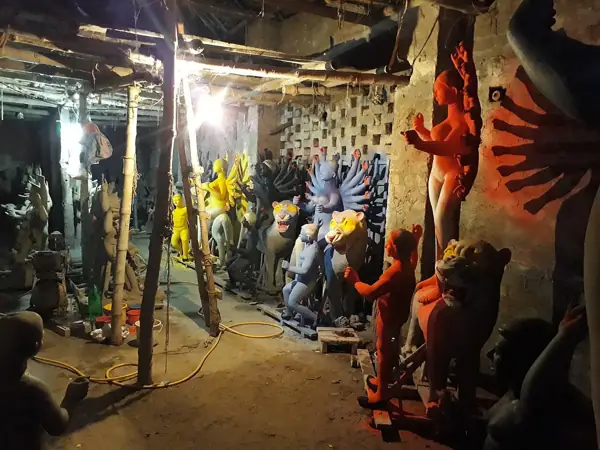 Durga PujaKumartuli and the making of Durga idolsHow Kumartuli's potters make Durga idols: bamboo frame, straw, Ganga clay, punya mati, painting, shola, daker saaj, chokkhu daan on Mahalaya and visiting tips.
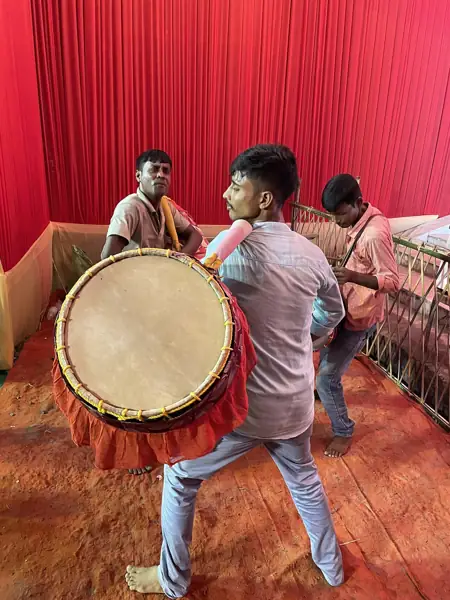 CultureDhak and dhakiThe dhak is the plumed barrel drum of Durga Puja and the dhaki its player: how it is played, where dhakis come from, its rhythms and the kashor gong.
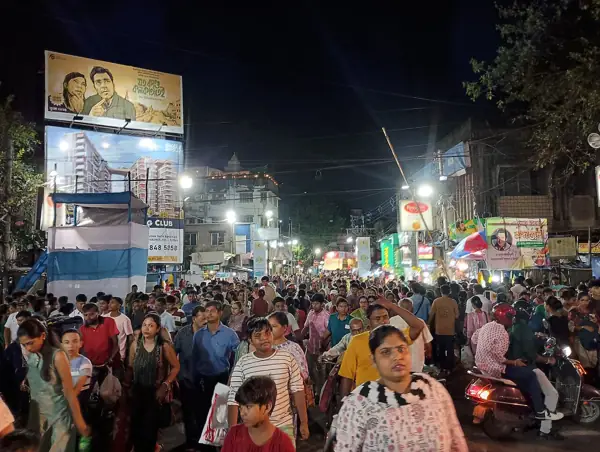 CulturePandal hopping in KolkataPractical Kolkata pandal hopping tips: the best hours to beat crowds, using the Metro, what to carry, kids and elders, safety, and which area is known for what.