Basanti Puja: Durga Puja in spring
 Pujo Parikrama team4 min read · Updated
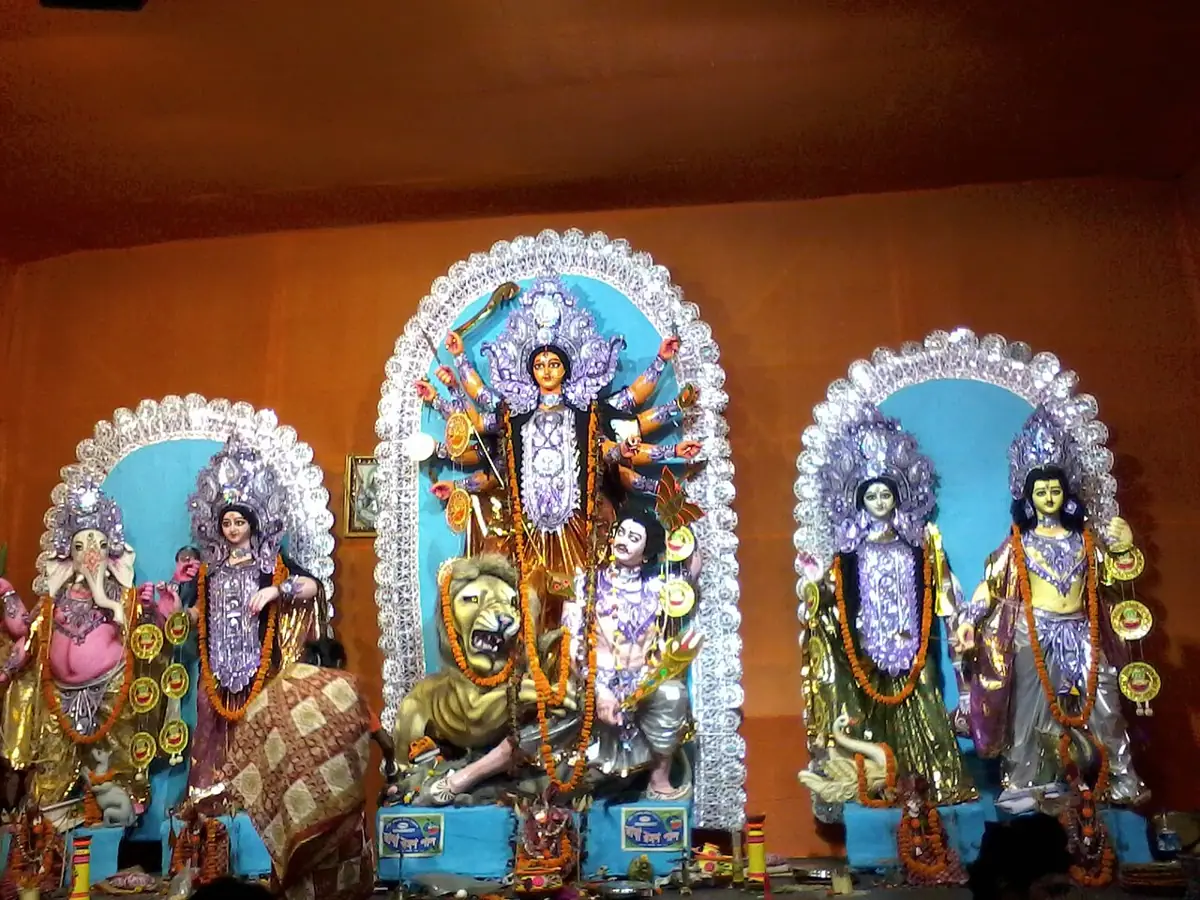
Basanti Puja is the worship of Durga in spring, during the bright fortnight of the month of Chaitra (usually March or April). In Puranic tradition spring is the original season of Durga's worship, which Bengali tradition traces to King Suratha of the Devi Mahatmya, while the autumn Durga Puja recalls Rama's akal bodhon, the untimely awakening. Today Basanti Puja is kept mainly by some families, temples and institutions, and it coincides with Chaitra Navratri; Annapurna Puja falls in the same fortnight.
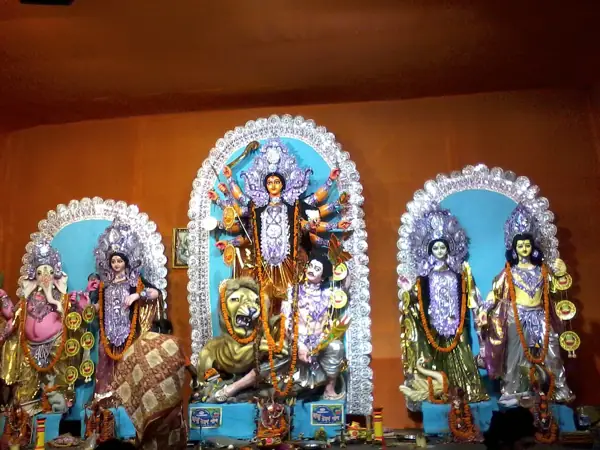 ▶ Photo story · 8 pagesBasanti Puja: Durga Puja in spring
In this article 6 sections
Basanti Puja is the worship of the goddess Durga in spring, during the bright fortnight (shukla paksha) of the month of Chaitra, which usually falls in March or April. The name comes from basanta, spring. In Puranic tradition, spring is the original and "proper" season for Durga's worship; the great autumn festival that most people know as Durga Puja is, in Bengali telling, an out-of-season invocation first made by Rama. Basanti Puja is far quieter than its autumn counterpart and is kept today mainly by some families, temples and institutions. Its dates change every year, so check your local panjika.
Two seasons, one goddess
The Hindu year has two great seasons of goddess worship, spring and autumn, each with its own Navaratri (nine nights). In Bengal they are known as:
| Basanti Puja | Sharadiya Durga Puja | |
|---|---|---|
| Season | Spring (basanta) | Autumn (sharat) |
| Month | Chaitra | Ashwin |
| Traditional origin | King Suratha, in the Devi Mahatmya tradition | Rama's akal bodhon before fighting Ravana |
| Scale today | Mainly family, temple and institutional pujas | Bengal's largest festival, with thousands of community pandals |
| Pan-Indian link | Chaitra Navratri, ending with Rama Navami | Sharad Navratri, ending with Dussehra |
Bengali tradition calls the autumn worship akal bodhon, "untimely awakening", because, in the account popularised in Bengali retellings of the Ramayana such as Krittibas's, Rama woke the goddess outside her season to seek her blessing before the battle with Ravana. Since the gods were believed to sleep during this half of the year, the goddess had to be specially awakened. Spring worship needed no such awakening.
King Suratha and the merchant Samadhi
The Devi Mahatmya, the text at the heart of Durga worship and part of the Markandeya Purana, is told within a frame story. King Suratha, defeated by enemies and betrayed by his own ministers, loses his kingdom and wanders into a forest. There he meets Samadhi, a merchant who has been cast out by his greedy wife and sons. Both are puzzled: though wronged, they cannot stop worrying about the kingdom and family that rejected them.
They seek out the sage Medhas, who explains that this attachment is the work of Mahamaya, the goddess's power of illusion, and then tells them the three great stories of the goddess: the slaying of Madhu and Kaitabha, the defeat of Mahishasura, and the destruction of Shumbha and Nishumbha. Moved, the king and the merchant worship the goddess with devotion. Pleased, she grants each a boon: Suratha will regain his kingdom and in a future life become a Manu, and Samadhi receives the spiritual knowledge that frees him from attachment.
In Bengali tradition, Suratha's worship is regarded as the first Durga Puja, and it is placed in spring. That is why Basanti Puja is often described as the "original" Durga Puja. This is a sacred and traditional account rather than a historical record, and different texts and teachers tell it in slightly different ways.
How Basanti Puja is observed today
Where it is held, Basanti Puja follows the same broad pattern as the autumn puja: the goddess is installed and invoked around Shashthi, worshipped through Saptami, Ashtami and Navami, and bid farewell on Dashami. The image is often the familiar one of Durga slaying Mahishasura, with Lakshmi, Saraswati, Ganesha and Kartik, though families keep their own forms.
You are most likely to find Basanti Puja:
- in some old family homes, including a number of bonedi bari (old aristocratic) households, which have held it for generations;
- in temples and at religious and monastic institutions;
- in some neighbourhoods and villages with a long-standing local tradition.
Because the scale is small, it has none of the pandal-hopping crowds of autumn. If you are invited to one, it is an opportunity to see the rites closely, without the noise of the festival season. Dress modestly, follow the family's lead, and ask before photographing.
 Also readBengal's festival season
The Chaitra Navratri link
Basanti Puja coincides with Chaitra Navratri, the spring Navaratri observed across much of India, which ends with Rama Navami, the birthday of Rama, on the ninth day. In northern and western India, Chaitra Navratri is marked with fasting and worship of the nine forms of Durga, much as in the autumn. For the autumn festival elsewhere in India, see our Navratri section.
Annapurna Puja
In the same Chaitra fortnight, many Bengali households and temples worship Annapurna, "she who is full of food", a form of Parvati who feeds the world. Annapurna Puja is traditionally held on Shukla Ashtami of Chaitra. Bengali tradition and art often show Shiva as a mendicant receiving alms from Annapurna, a reminder that nourishment is a divine gift. Rice, sweets and cooked bhog are central to her worship.
Related reading
For the autumn festival's origins see akal bodhon and the history of Durga Puja. The festival season hub shows how the autumn festivals follow one another, and the glossary explains the ritual terms.
Questions people ask
What is Basanti Puja?
Basanti Puja is Durga Puja held in spring, in the bright fortnight of Chaitra. Basanti comes from basanta, spring, and the worship follows the same broad pattern as the autumn puja, from Shashthi to Dashami.
Why is Durga Puja held in autumn if spring is the original time?
Bengali tradition holds that Rama invoked Durga out of season in autumn before his battle with Ravana, an untimely awakening called akal bodhon. The autumn puja that grew from that story became the far larger festival in Bengal.
Who first performed Basanti Puja?
Bengali tradition credits King Suratha, the exiled king of the Devi Mahatmya's frame story, with the first worship of Durga in spring. This is a traditional and Puranic account rather than a historical record.
When is Basanti Puja?
Basanti Puja falls in the bright fortnight of Chaitra, usually in March or April, and overlaps with Chaitra Navratri and Rama Navami. The exact dates change every year, so check your local panjika.
What is Annapurna Puja?
Annapurna Puja is the worship of Annapurna, the goddess of food and nourishment and a form of Parvati, held in the same Chaitra fortnight as Basanti Puja, traditionally on Shukla Ashtami.
Read next
- FestivalsBengal's festival seasonBengal's festival season in order: Vishwakarma Puja, Durga Puja, Kojagari Lakshmi Puja, Kali Puja with Diwali, Bhai Phonta, Jagaddhatri and Basanti Puja.
 Durga PujaAkal BodhonAkal Bodhon explained: Rama's autumn worship of Durga in Krittibas Ojha's Bengali Ramayana, the 108 blue lotuses, his offered eye and why the puja is in autumn.
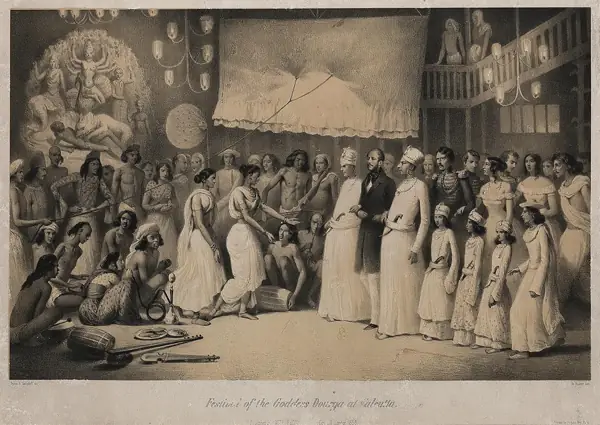 Durga PujaThe history of Durga Puja in BengalHow Durga Puja grew from zamindari and rajbari pujas to barowari and sarbojanin community festivals, theme pandals and UNESCO heritage status in Kolkata.
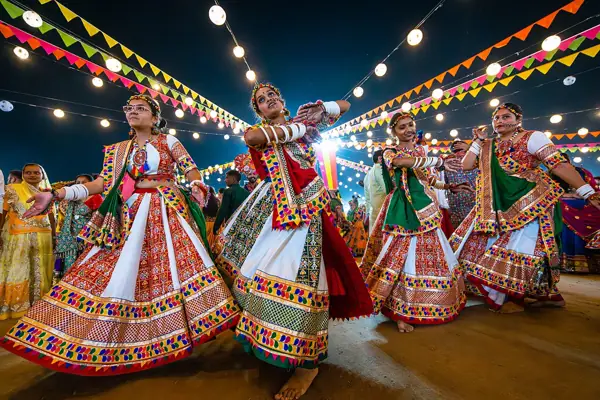 NavratriNavratri 2026What Navratri means, when Sharad Navratri 2026 falls, its rituals (ghatasthapana, Navadurga, fasting, garba) and how it differs from Bengal's Durga Puja.
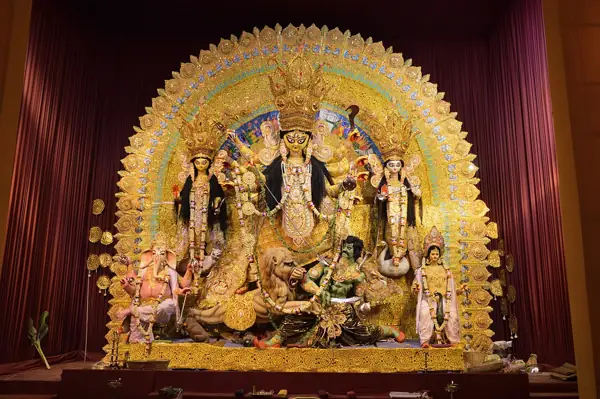 Durga PujaWhat is Durga Puja? The meaning behind the festivalWhat Durga Puja means: the Devi Mahatmya story of Mahishasura, Durga as Shakti, Uma's homecoming, Rama's akal bodhon and why the festival falls in autumn.